THE ASSEMBLY: San Francisco, California
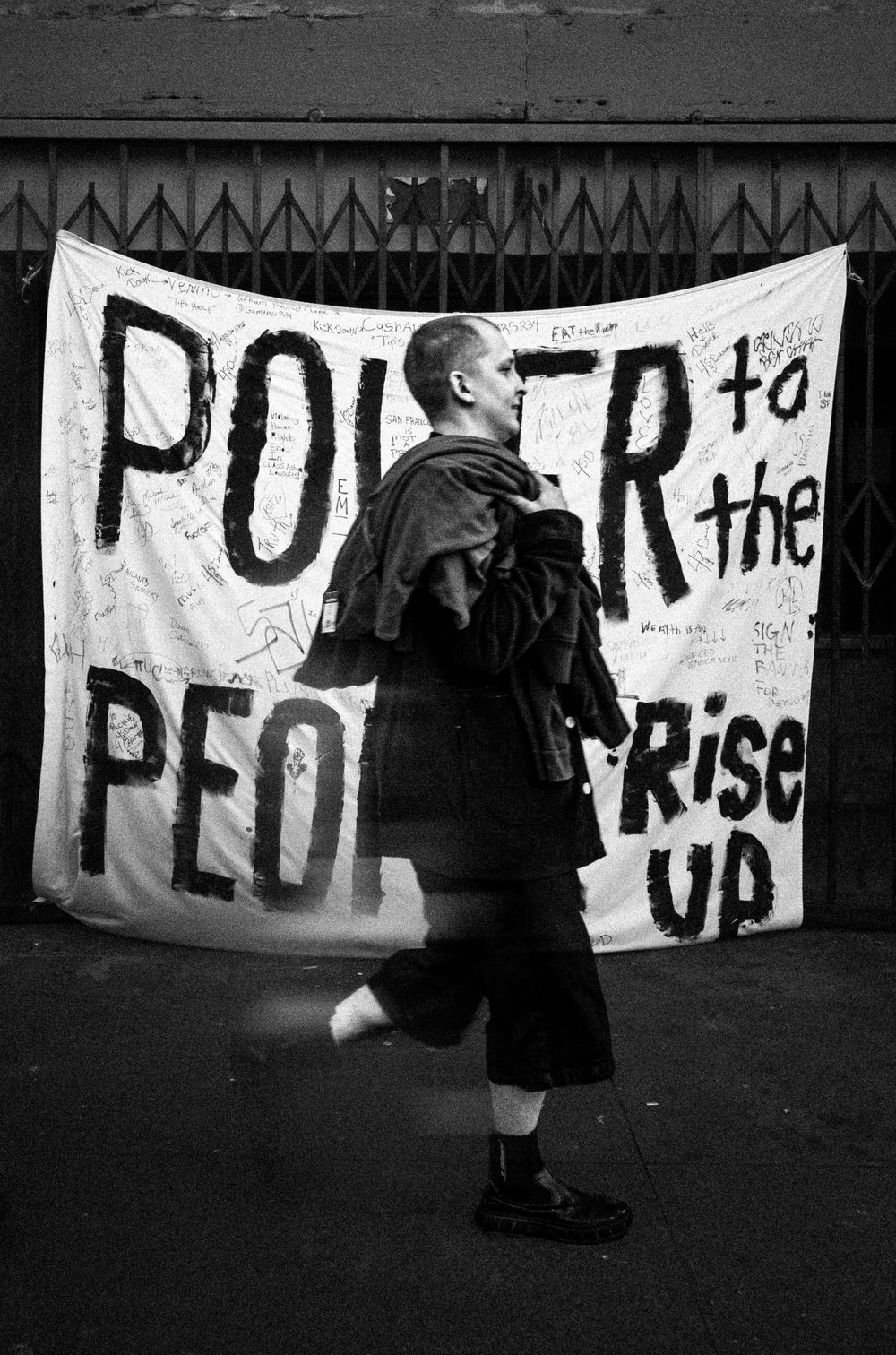
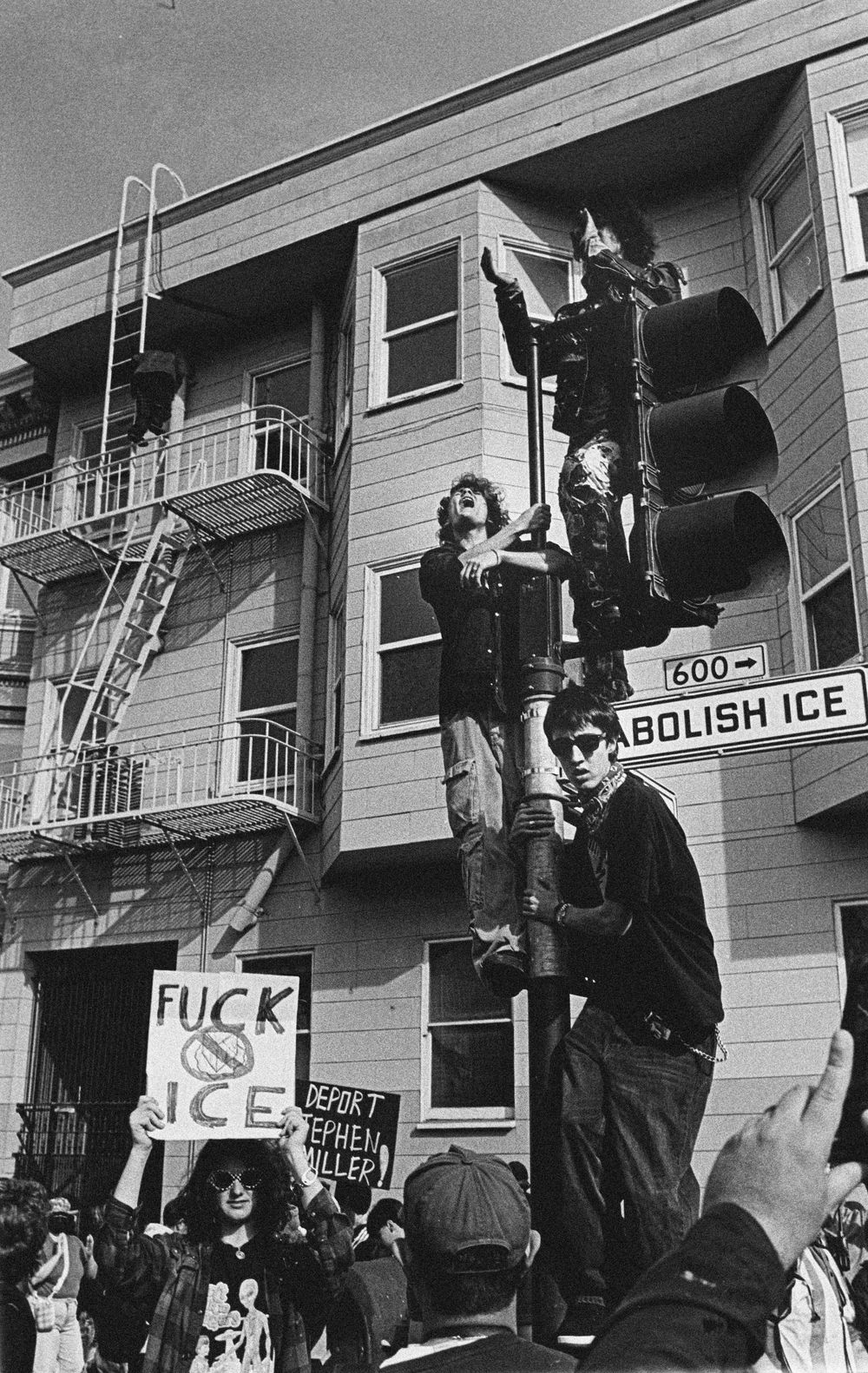
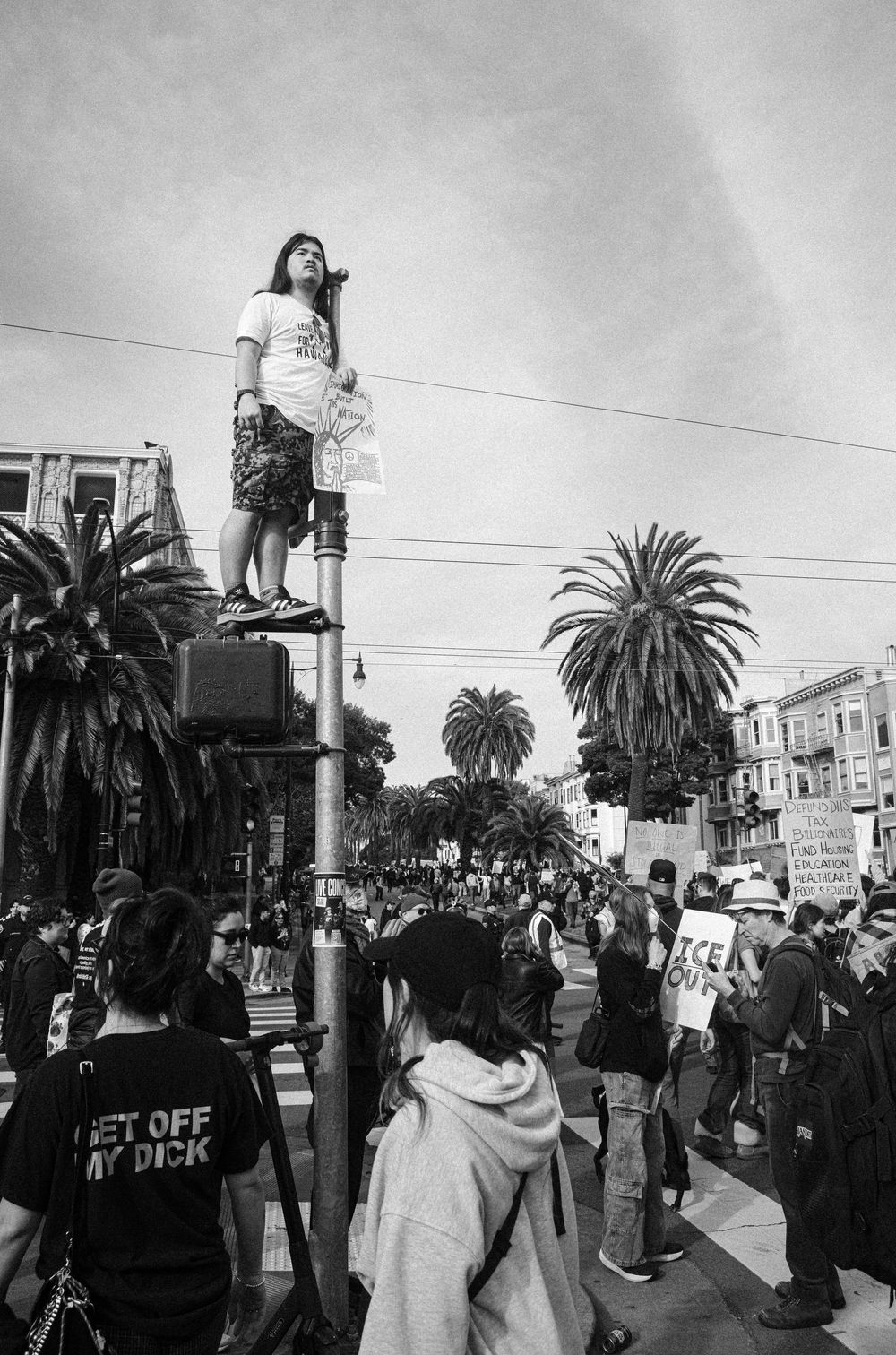
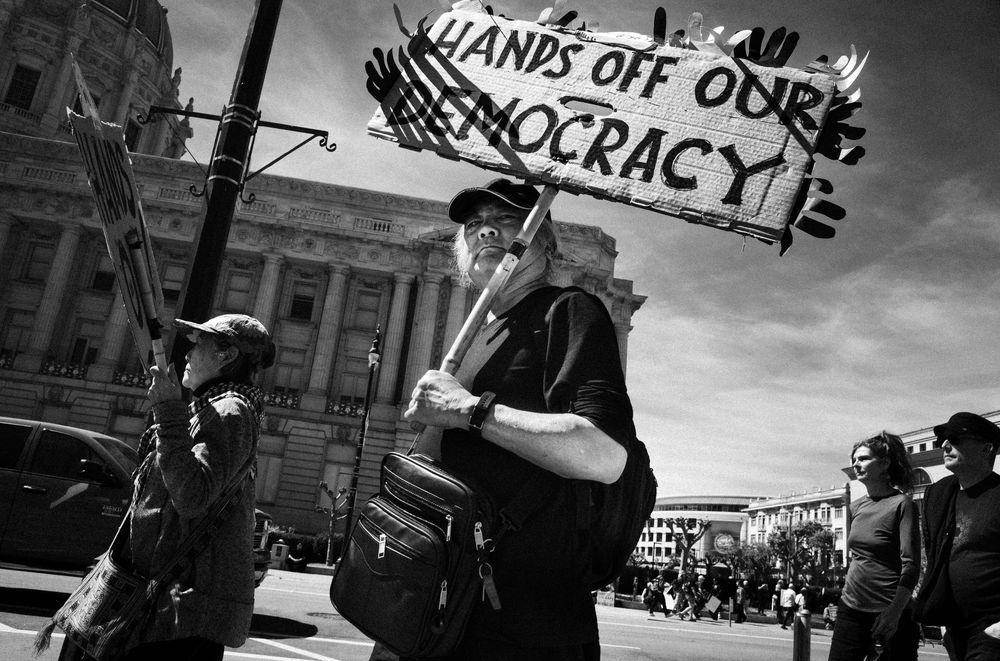
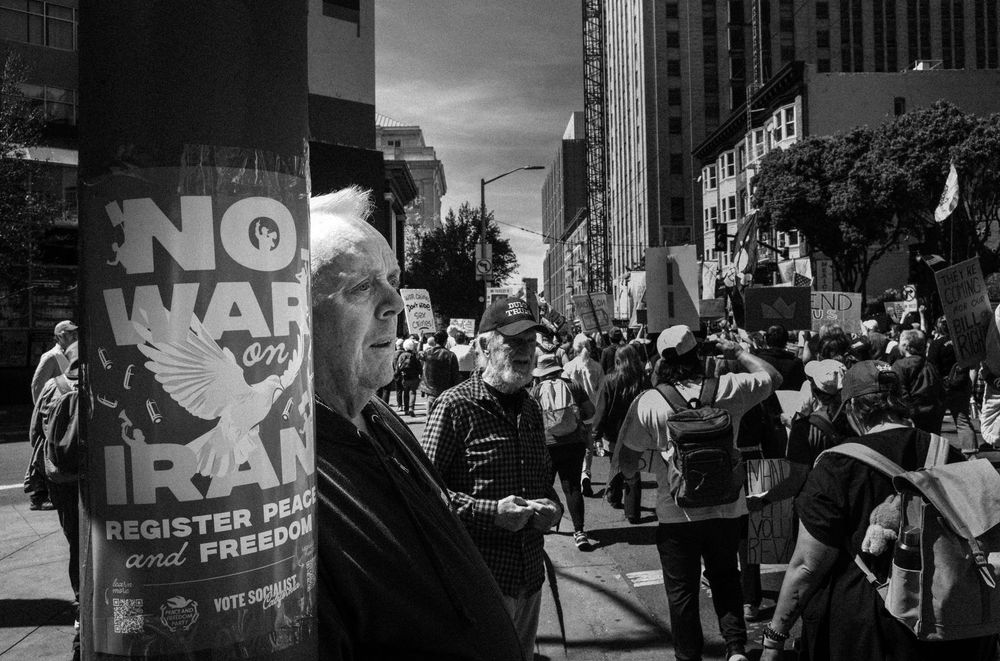
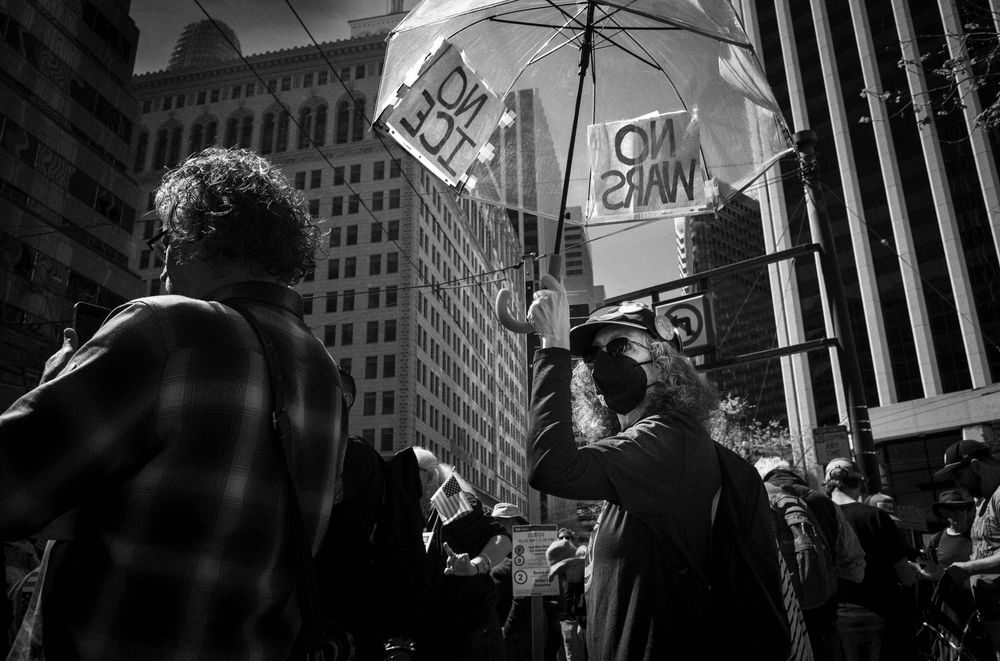
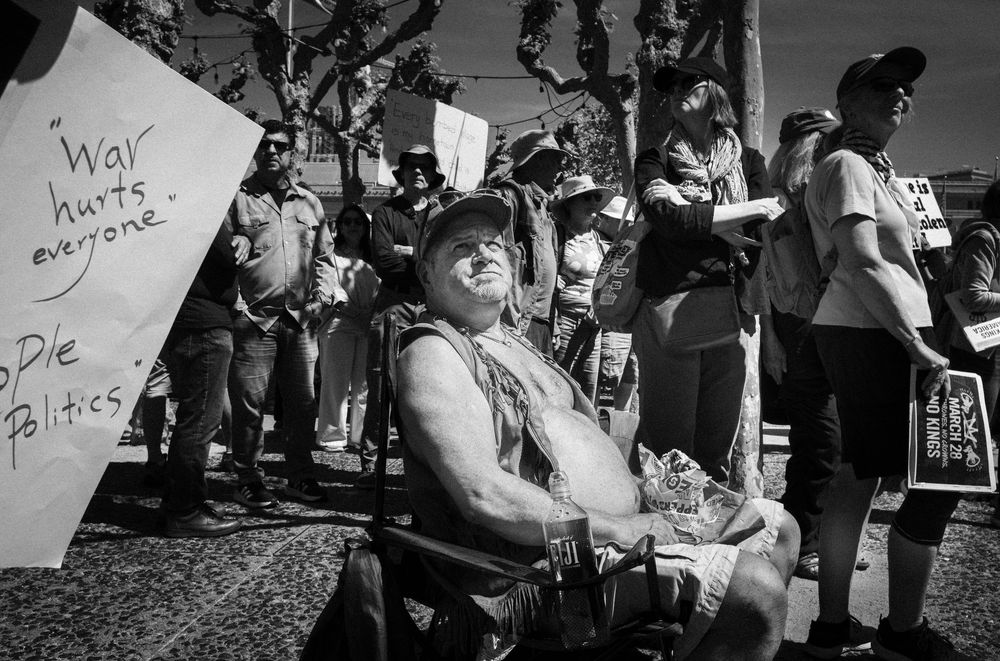
A demonstration does not automatically make a photograph. Thousands of people can fill a street, the issue can matter, and I can still come home with nothing I want to keep. I’ve photographed entire events where the light never arrived or everything felt too literal. The event gives me access, but I’m looking for something that can survive outside of it. Jim Marshall’s photographs of San Francisco have always had a grit that appeals to me. His counterculture work, particularly around the Haight, feels physical and unpolished. The grain, available light and imperfections belong to the people and the period. That has stayed with me, although I’m not interested in recreating Marshall’s San Francisco. The subject alone is not enough for me. Light matters enormously. So do form, gesture and the relationship between people and their surroundings. An important event does not automatically produce an important photograph.
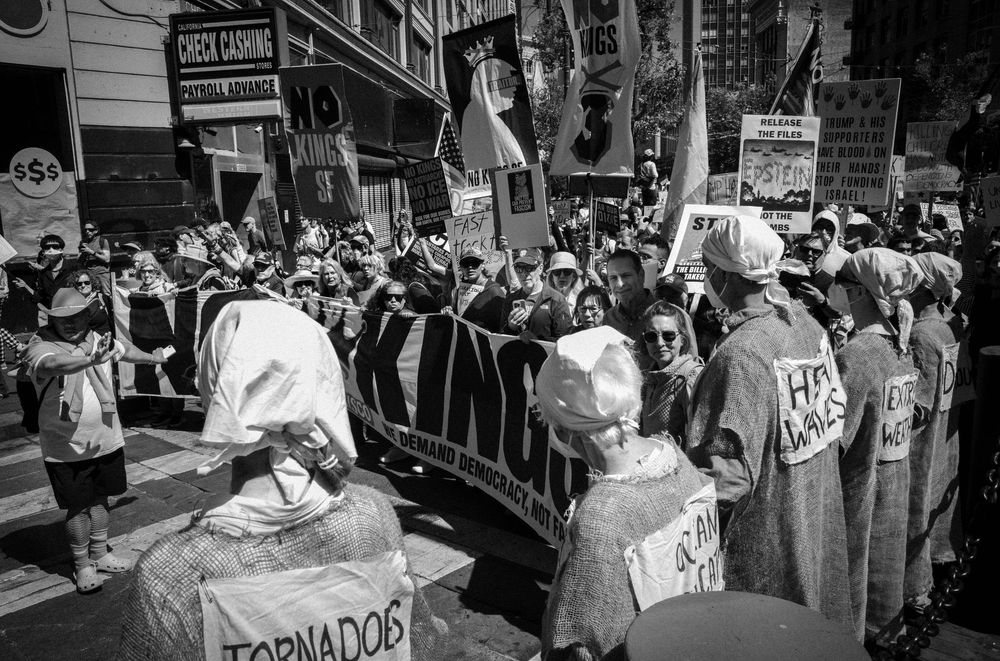
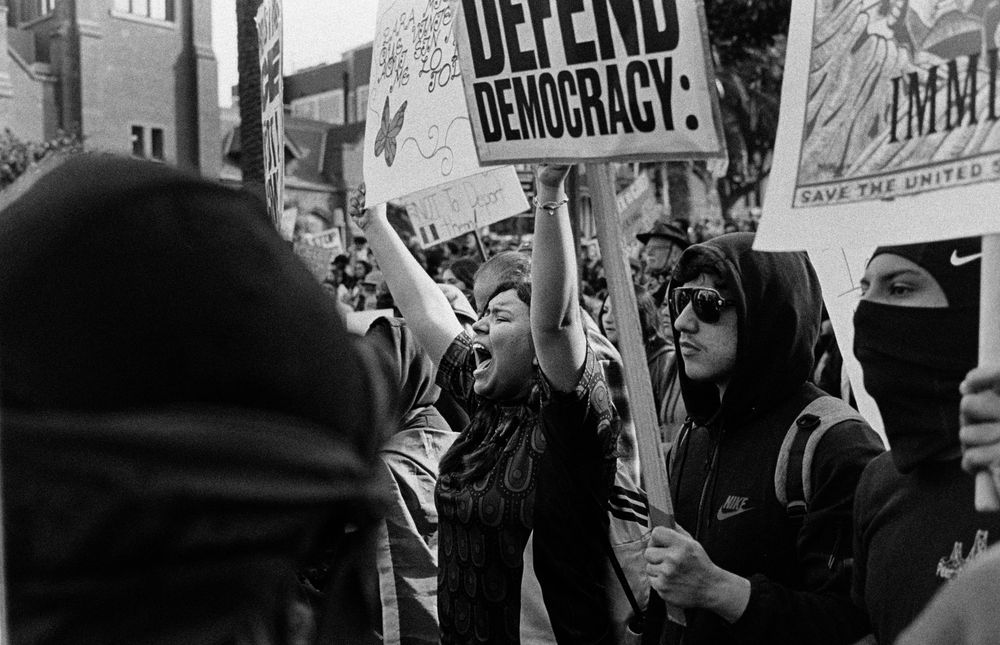
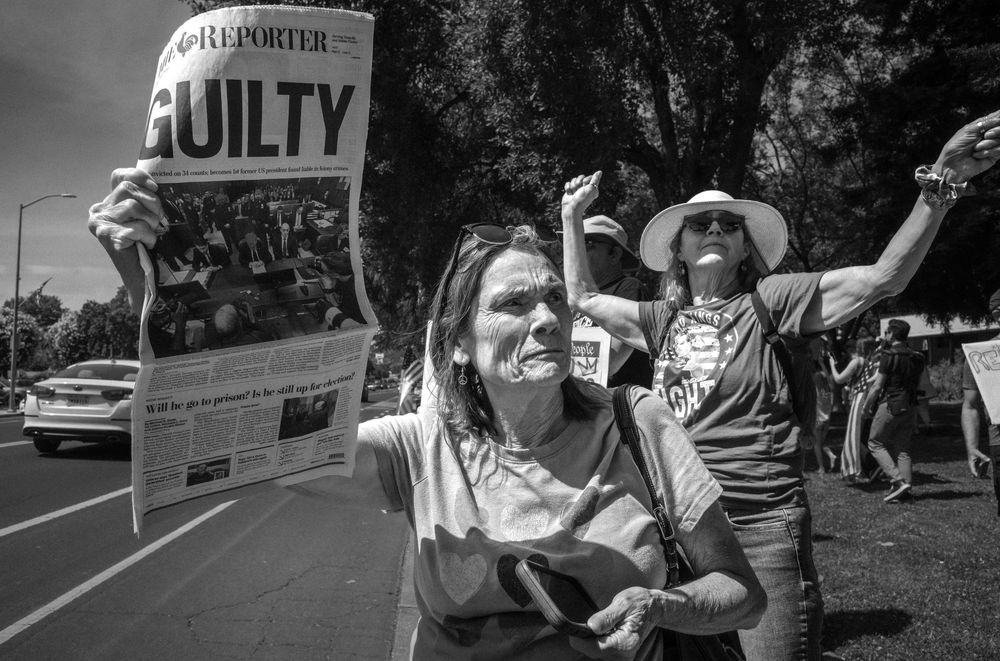
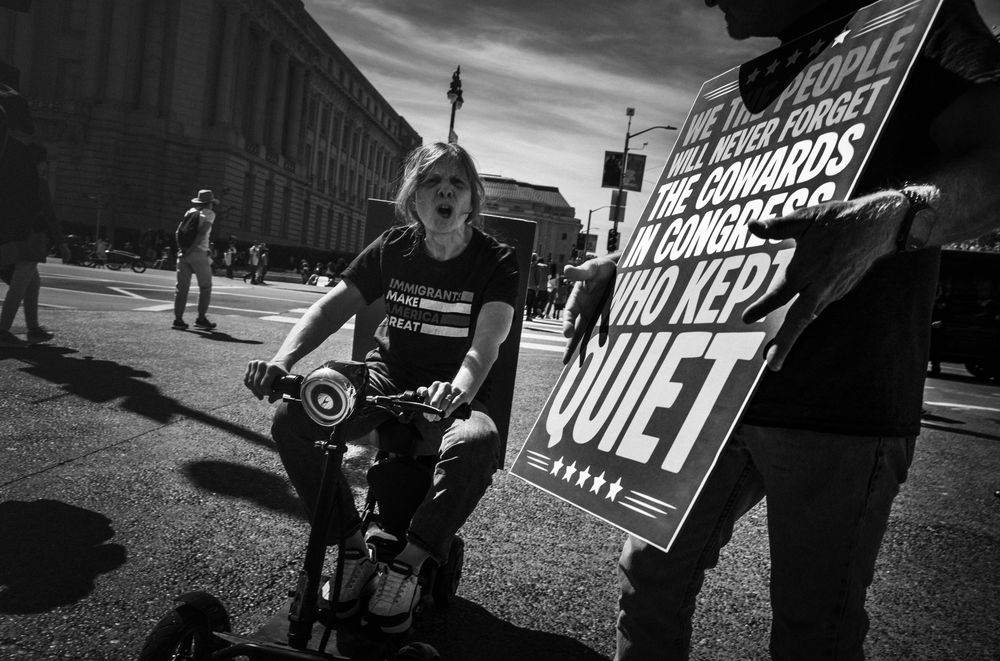
I’ve photographed Labor Day actions, No Kings, ICE Out and immigration demonstrations, Free Palestine gatherings, climate movements, events surrounding the federal government shutdown, and smaller responses to local and global issues. Being there keeps me aware of what is being argued about publicly, but the photographs I select have another purpose. I want these temporary public moments to become photographs that can exist beyond the event itself. I want the photograph to work after the sign is no longer current.
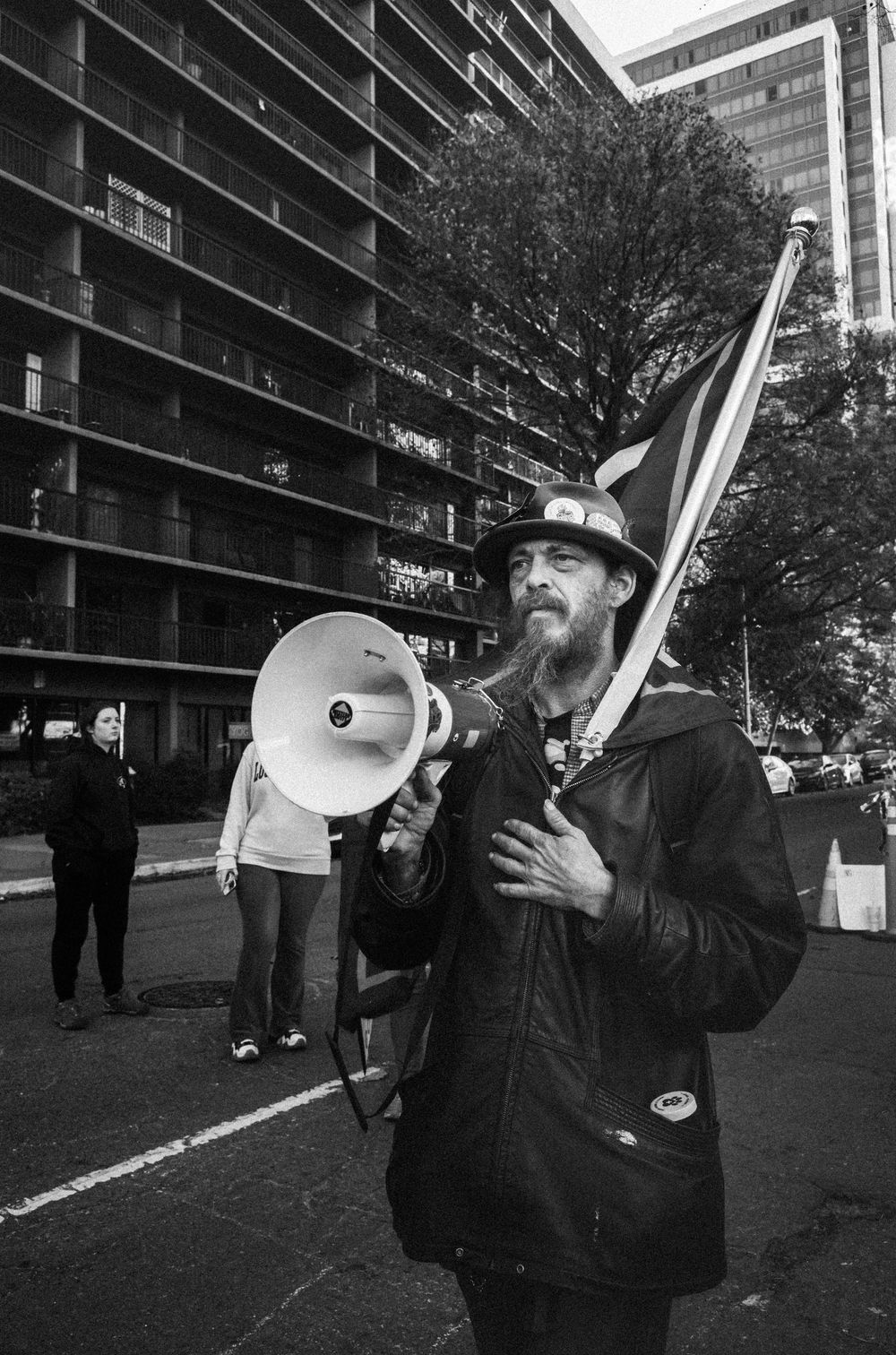
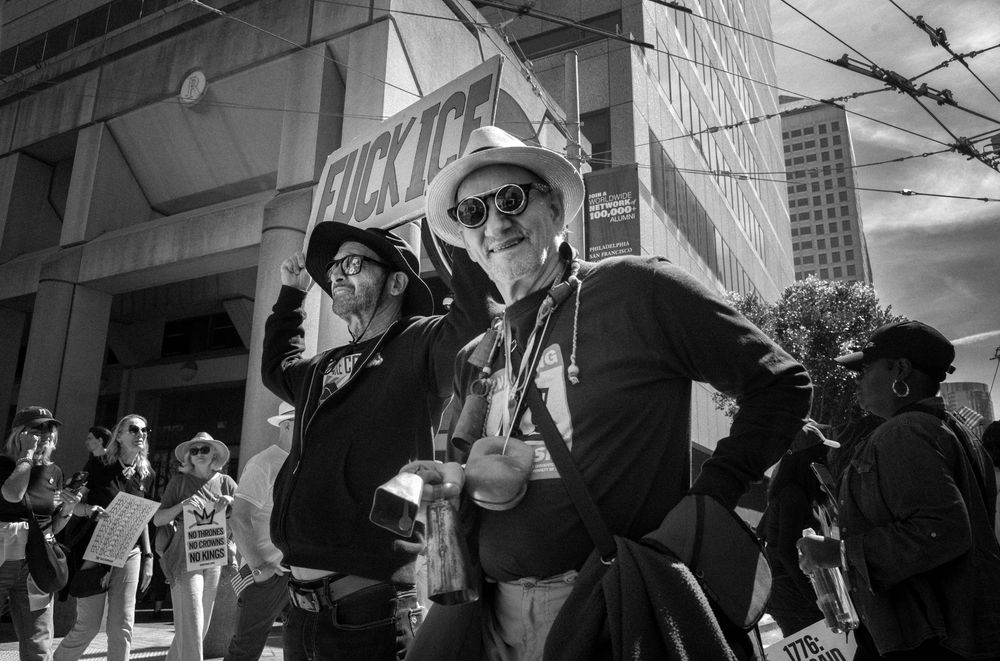
After enough demonstrations, patterns become obvious. First timers sometimes arrive with signs that can barely be read from across the street and watch others to learn the chants. Regulars know the cadence, where to stand and how to work a megaphone. The same megaphones return covered with new layers of stickers. Sharpie gets wiped from old signs with alcohol and replaced with the next message. Some of the same faces return too. The language interests me as much as the objects. Public expression changes with its time. In the demonstrations I photograph now, profanity is often direct and impossible to miss. “FUCK TRUMP” can occupy an entire piece of cardboard. I don’t read that as proof that people today are angrier than previous generations. I photograph it because that choice of language is part of what this period actually looks like.
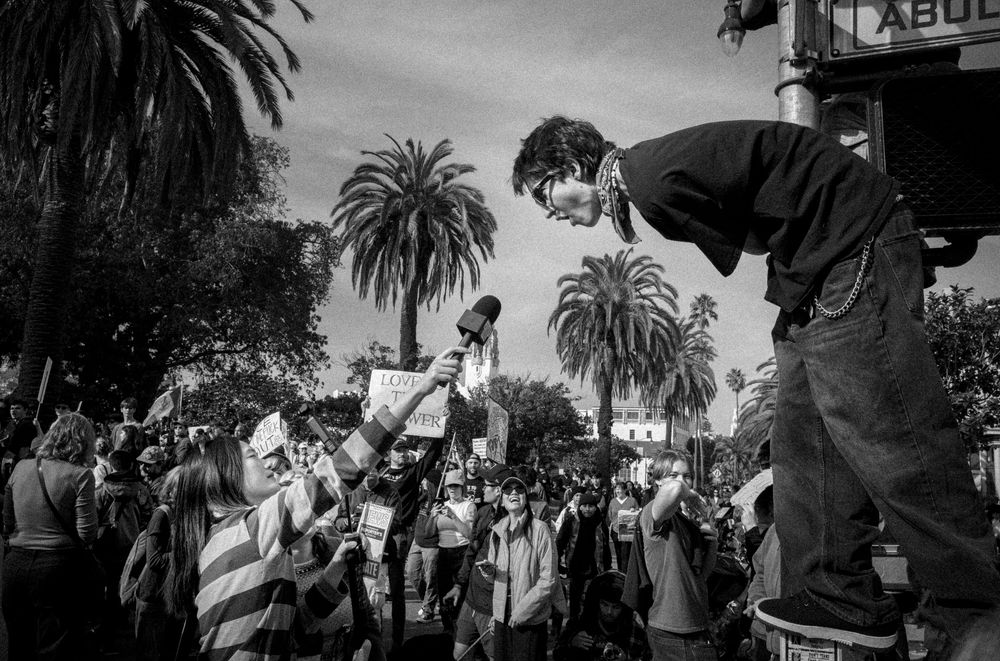
The crowd is never as uniform as the chant. I don’t assume any of this tells me what someone believes or why they are there. What interests me is the behavior, repetition and evidence of the moment. What appears from a distance to be one collective voice is made up of individuals with different experiences, confidence and reasons for showing up. The Assembly is built from the photographs that survive my edit, where light, atmosphere and human behavior come together strongly enough that the image no longer depends entirely on the event that produced it. The issues will change. The language will change. The signs will be rewritten. I want the photographs to outlive the reason everyone gathered.