Eddie Adams Workshop XXXIX
Jeffersonville, New York | October 9–13, 2026
More than twenty years ago, I was aboard USS Abraham Lincoln as a U.S. Navy helicopter mechanic during the 2004 Indian Ocean tsunami relief operations. I had no idea that one of the Associated Press photographers covering that mission would eventually become my team leader at the Eddie Adams Workshop in 2026. We were aboard the same aircraft carrier, doing completely different jobs, and somehow our paths crossed again in upstate New York. Of all the things I expected from attending Eddie Adams, that certainly wasn't one of them.
I turned 50 this year, and after spending much of my adult life involved in photography, I found myself attending the Eddie Adams Workshop XXXIX in Jeffersonville, New York. I've worked across different genres, operated my own photography business before losing it during the 2009 recession, returned to military service, and eventually built a career in U.S. Air Force public affairs, where I've spent years telling the stories of service members. Photography has remained a constant throughout those chapters of my life, but I've never considered myself finished learning. Being selected for Eddie Adams was exciting, but I wasn't going there to prove anything. I wanted to be challenged, meet people who shared the same passion, and figure out where I wanted to take my photography next. Most importantly, I decided to leave my ego back in California.
A Note About the Photographs
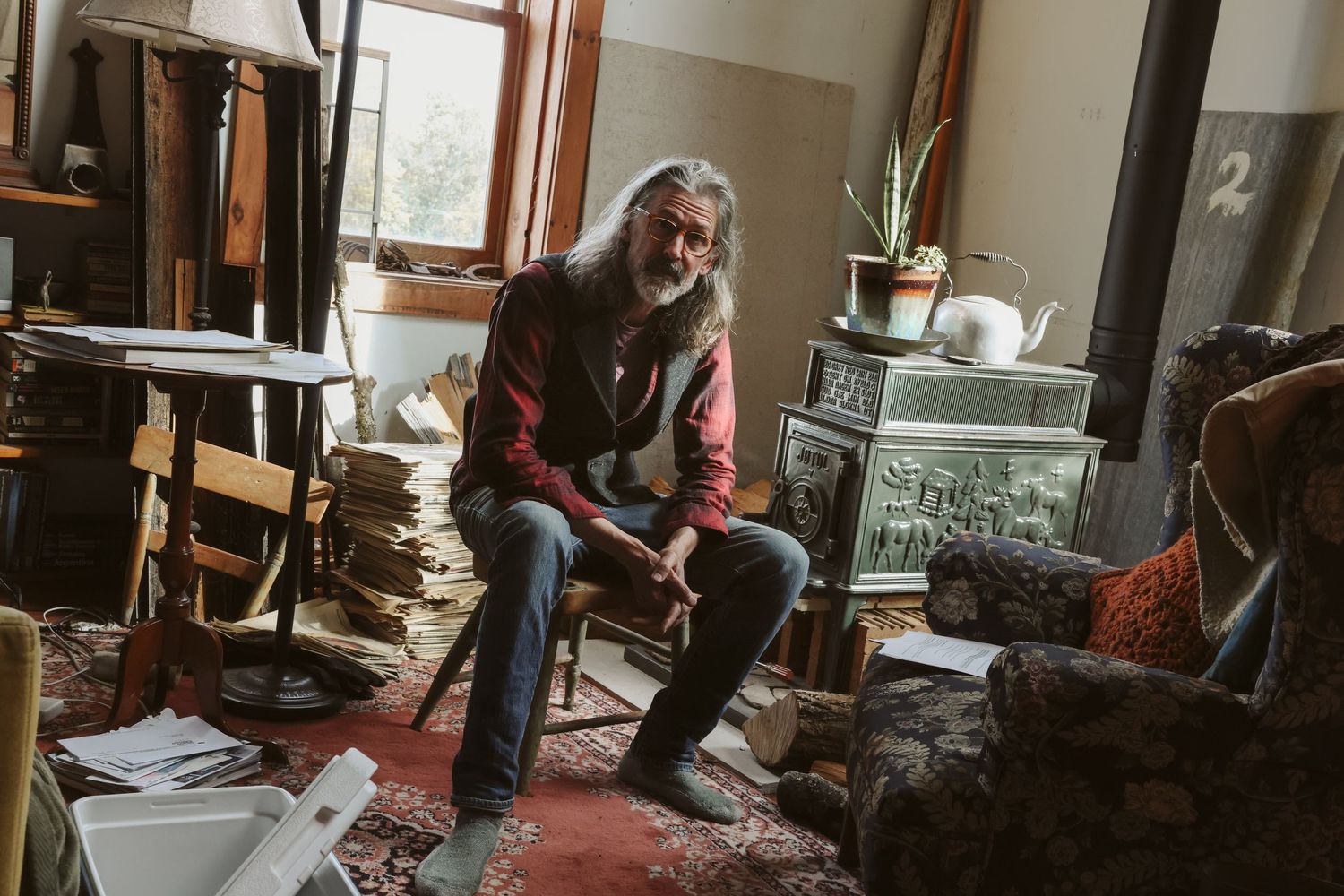
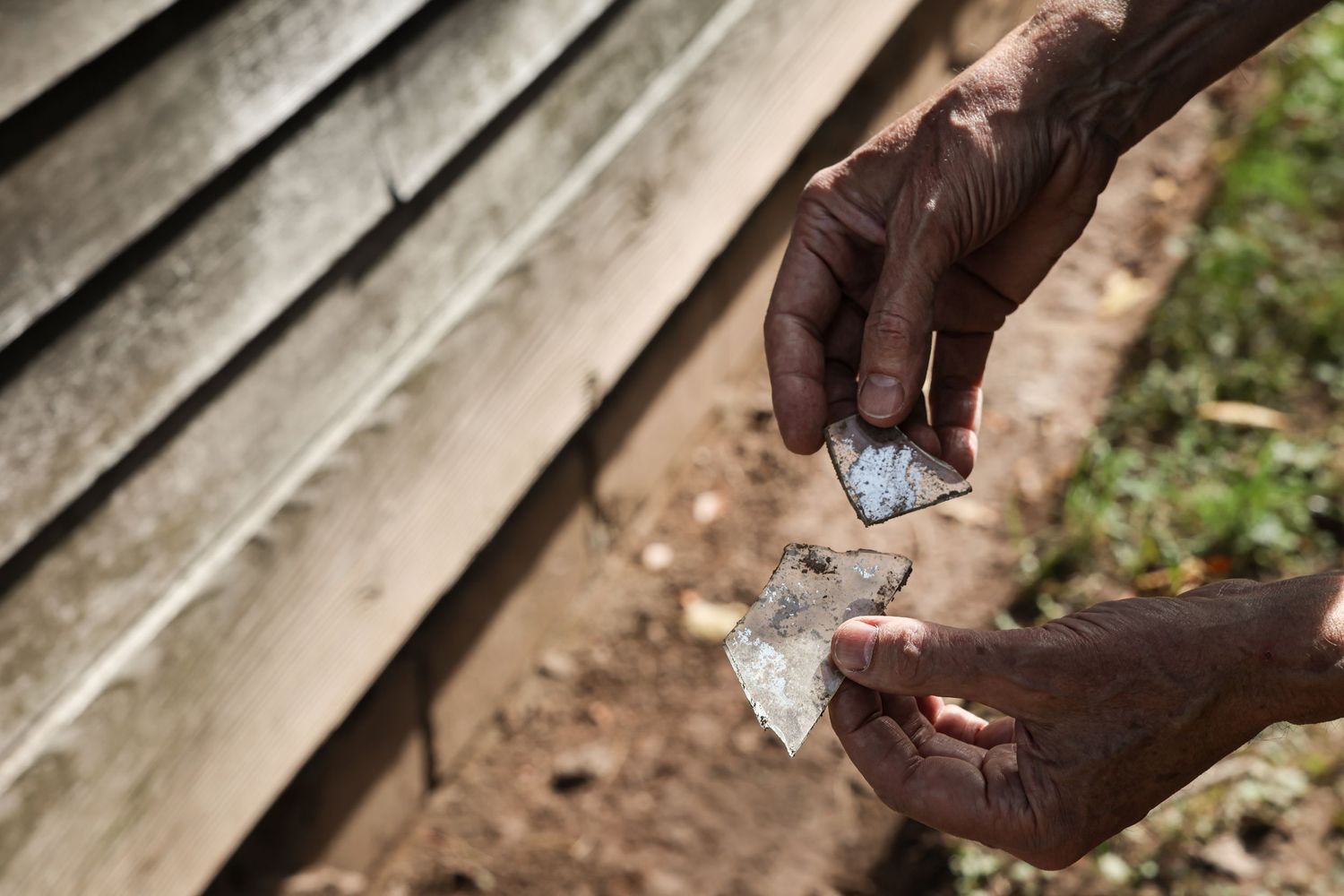
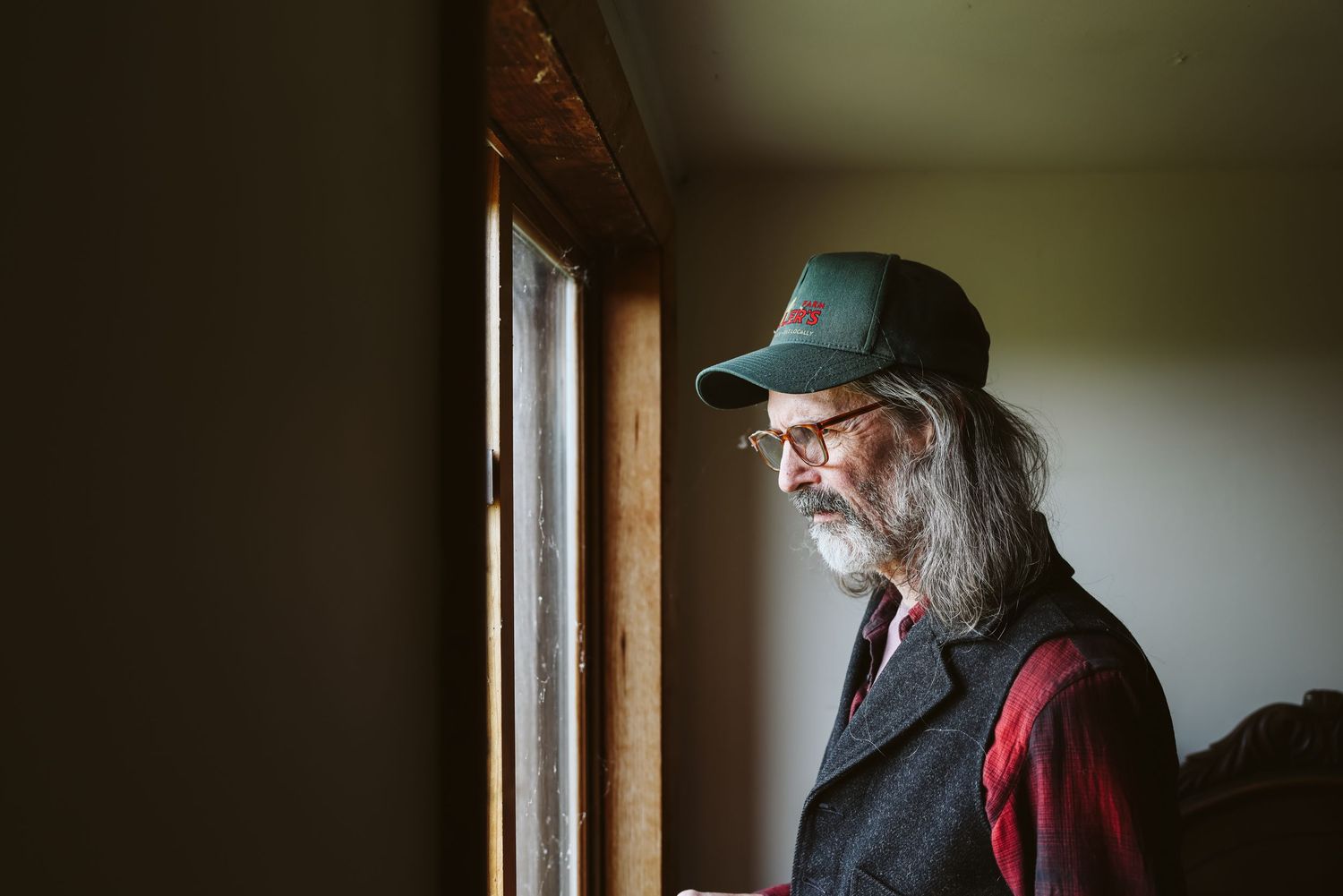
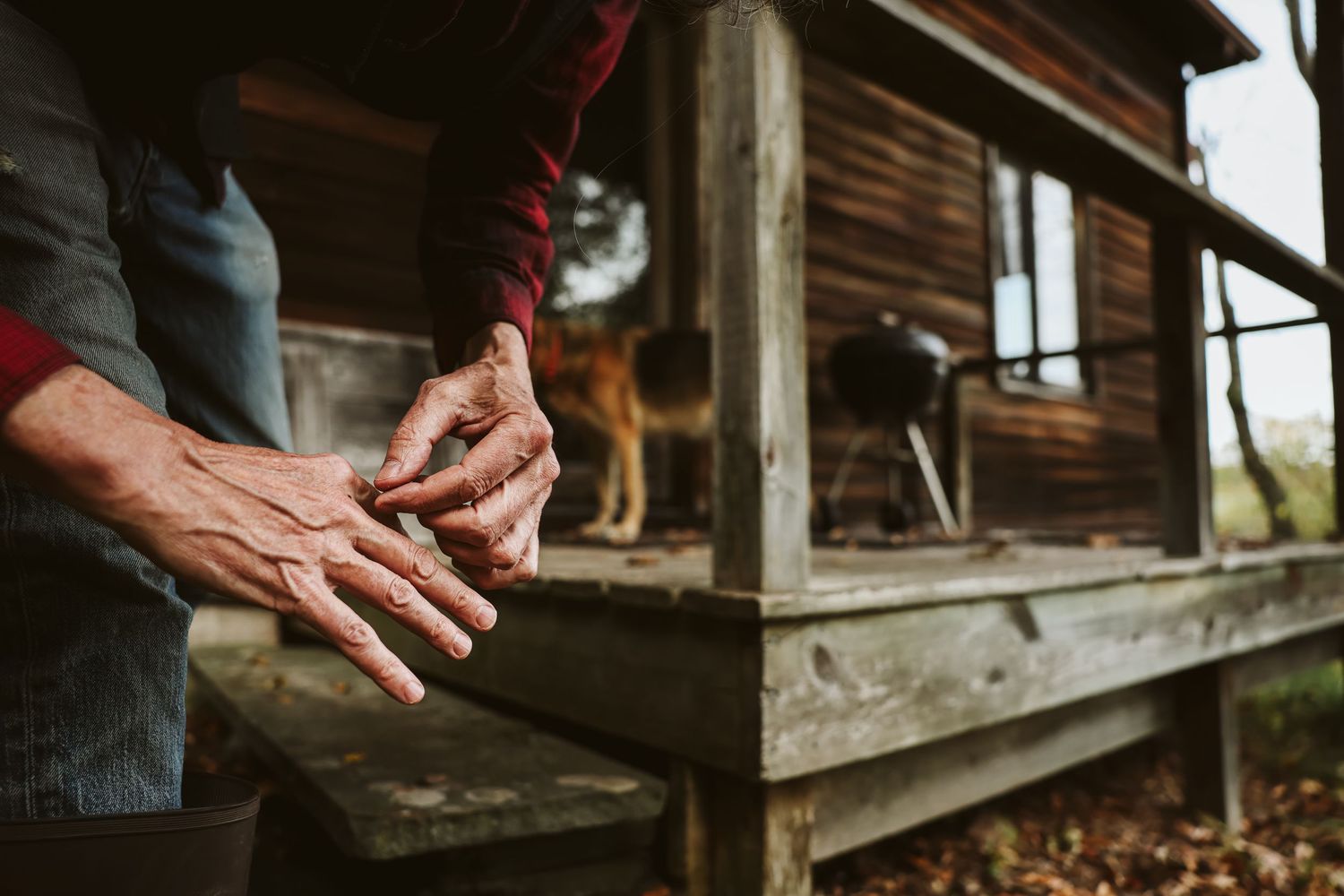
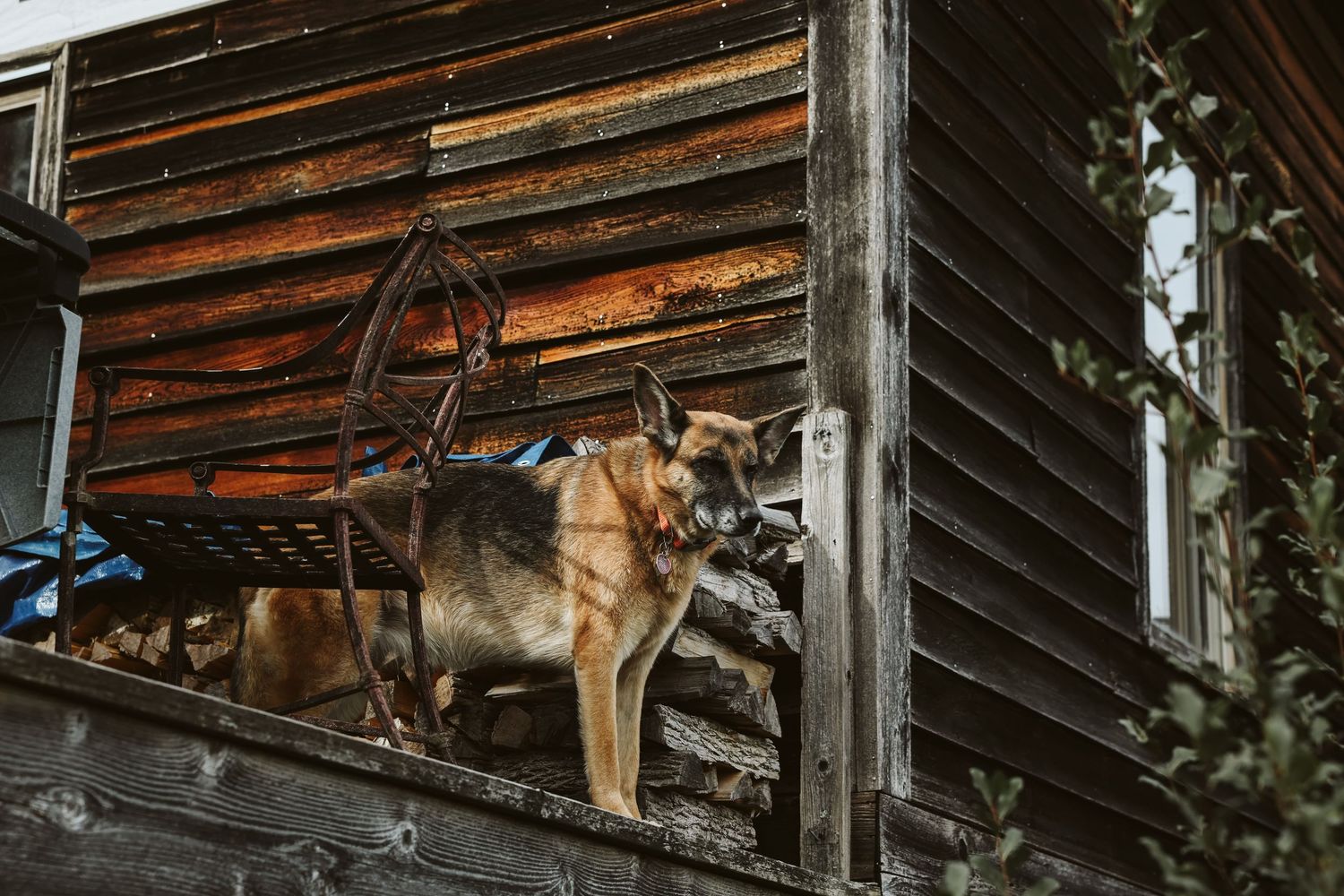
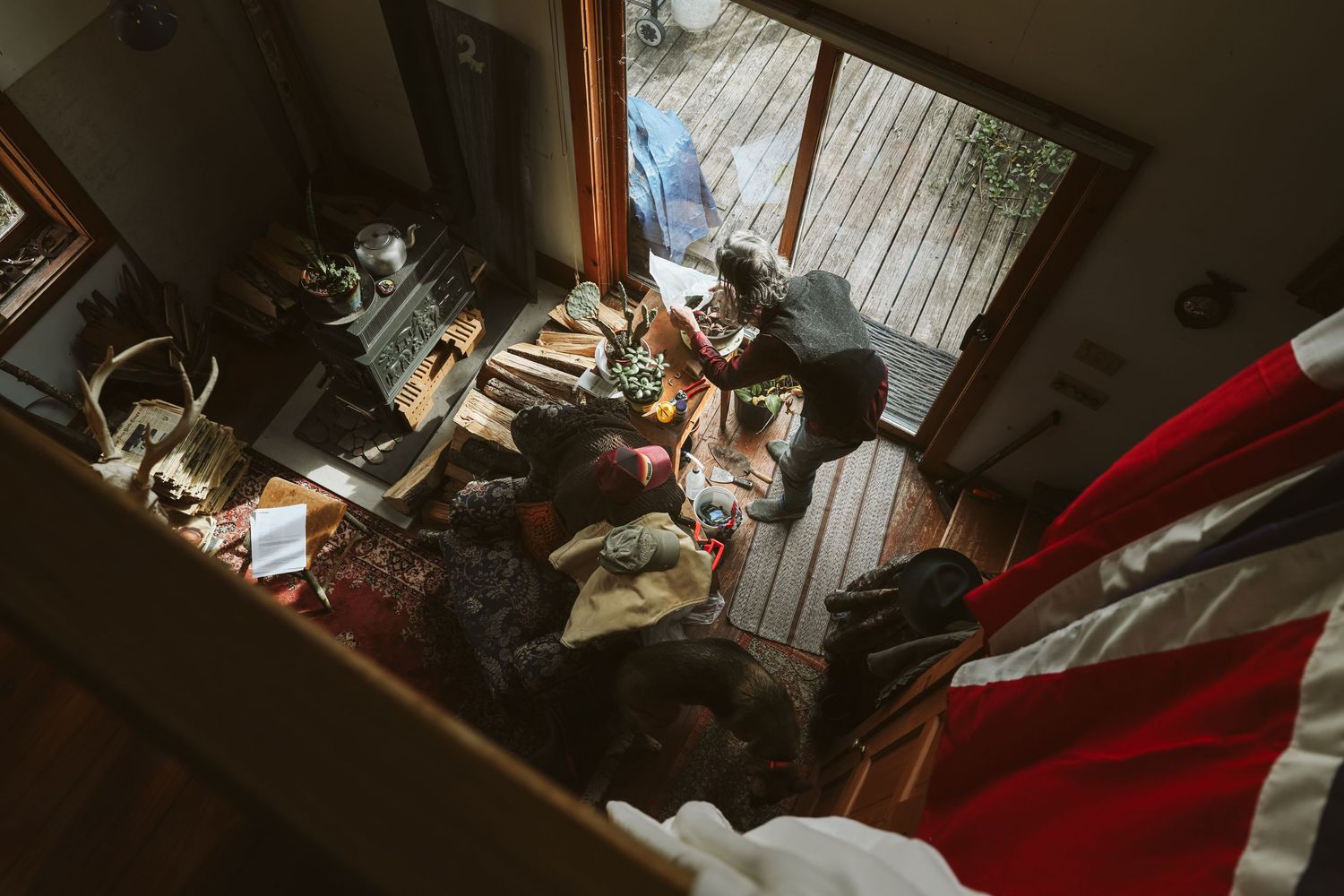
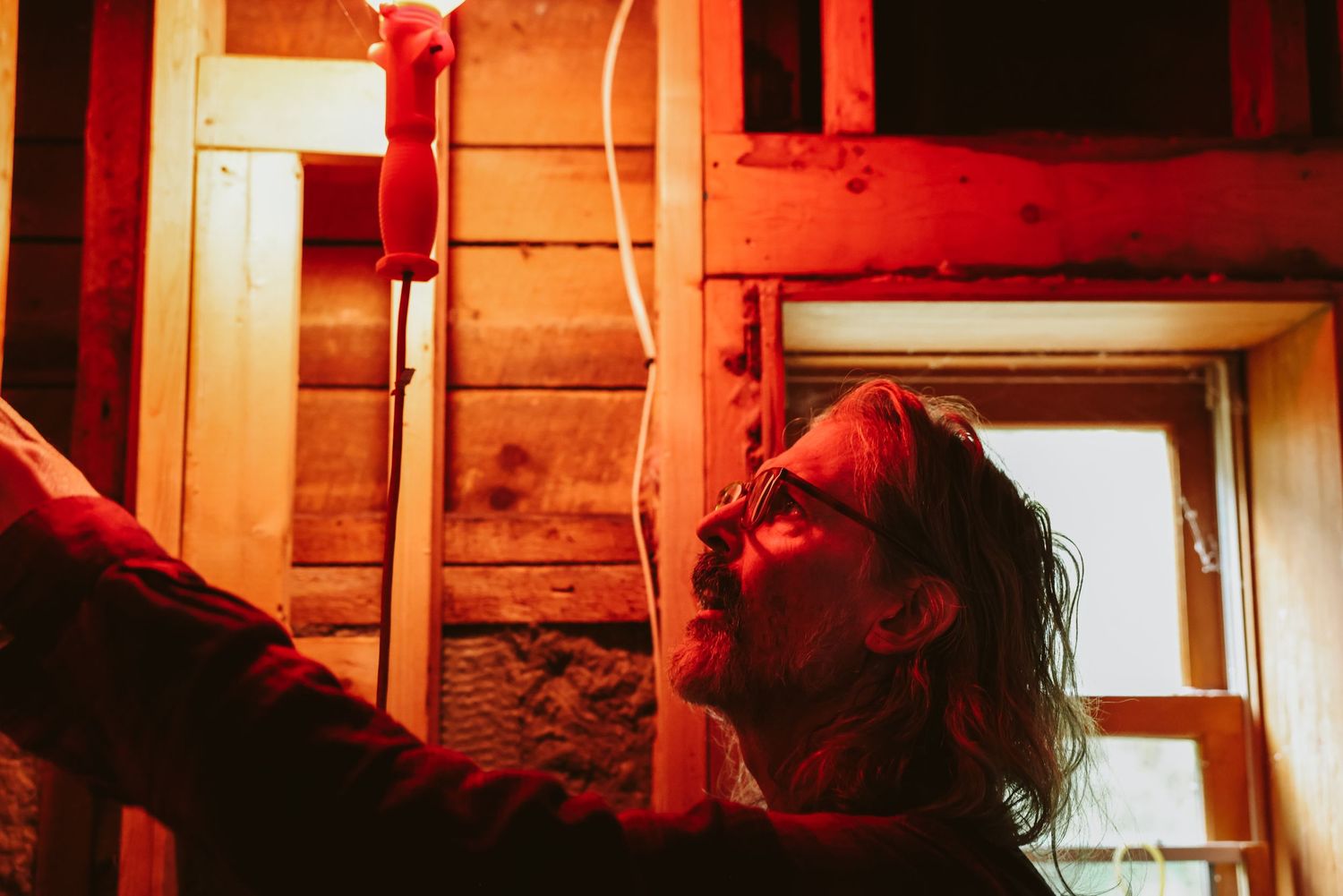
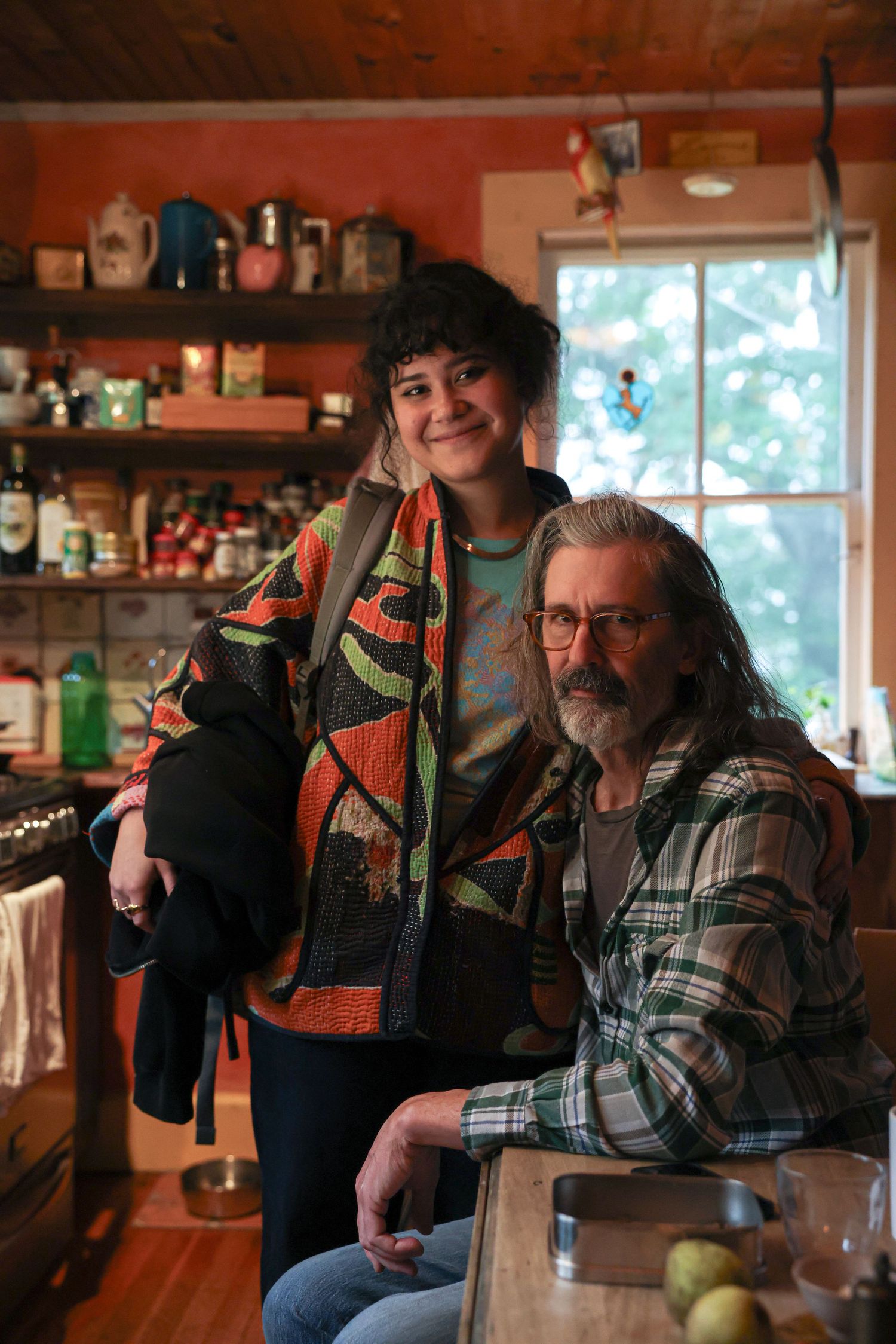
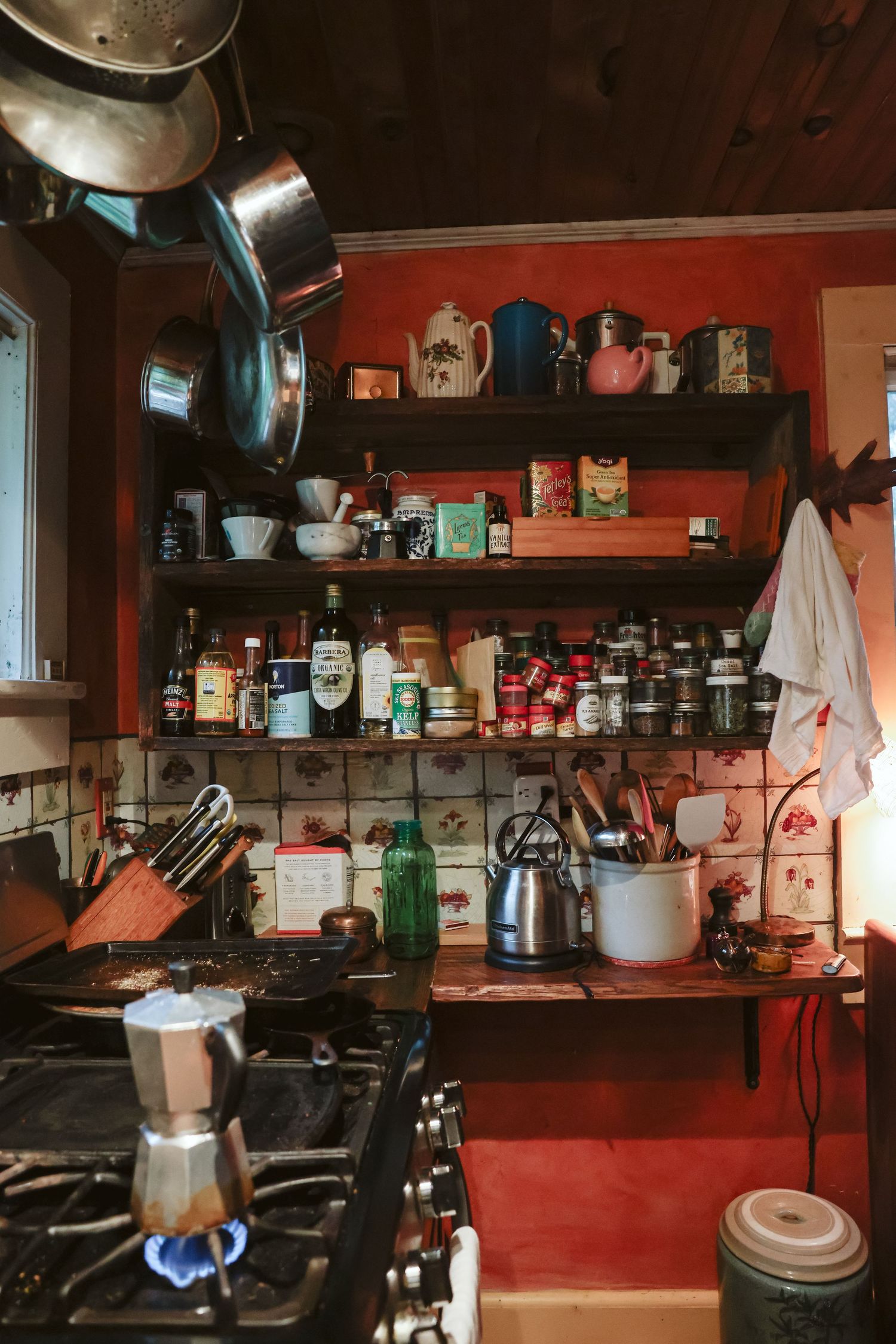
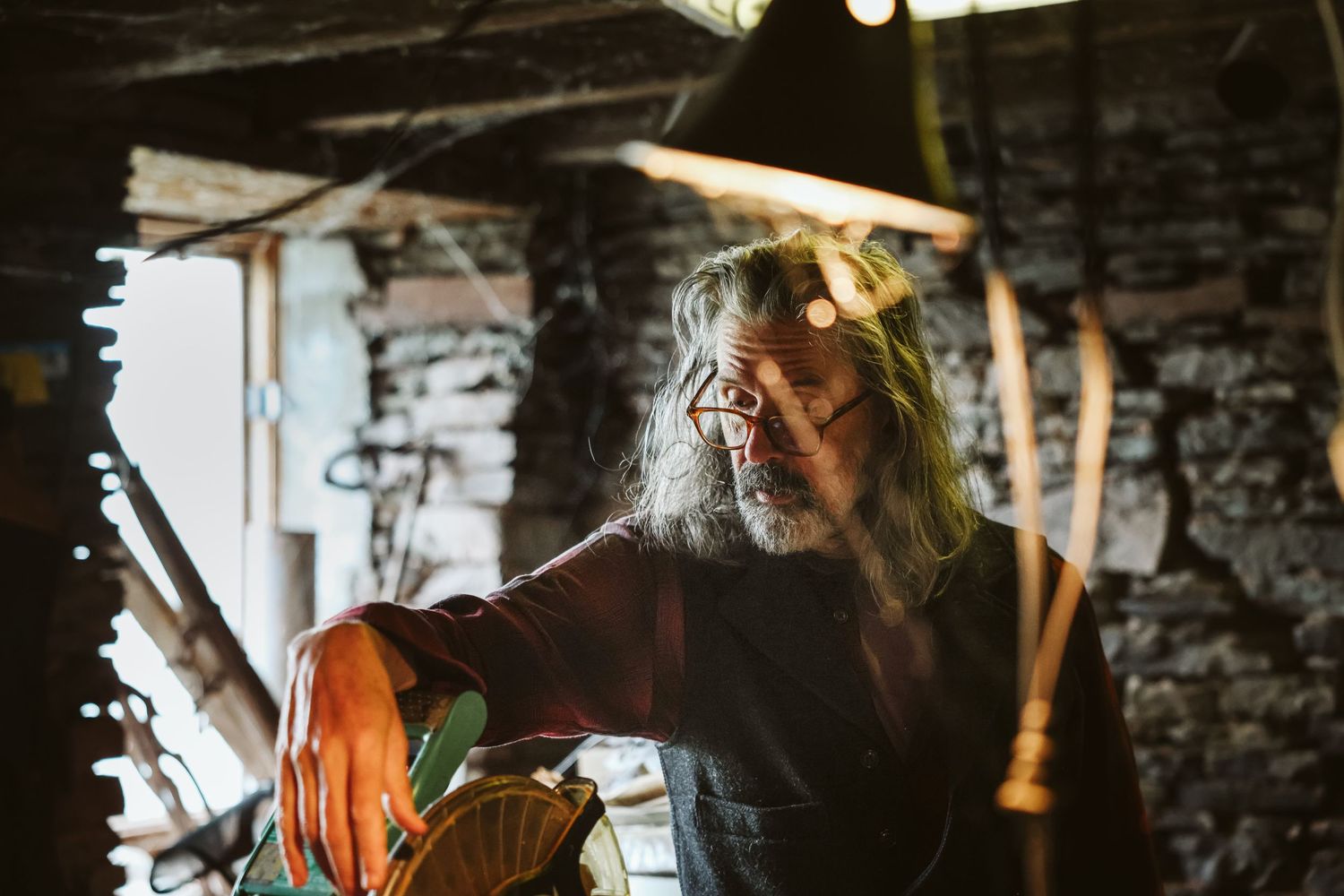
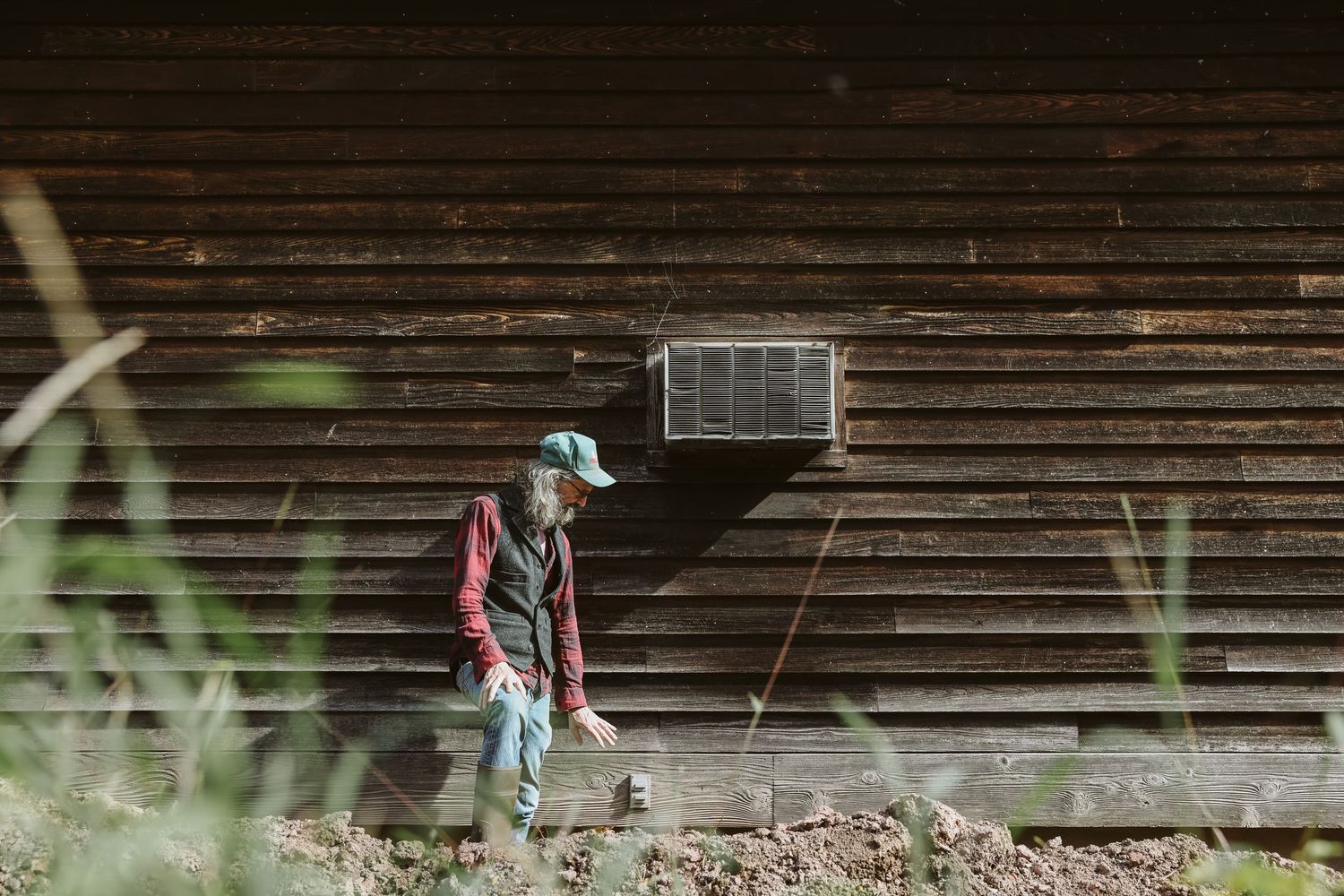
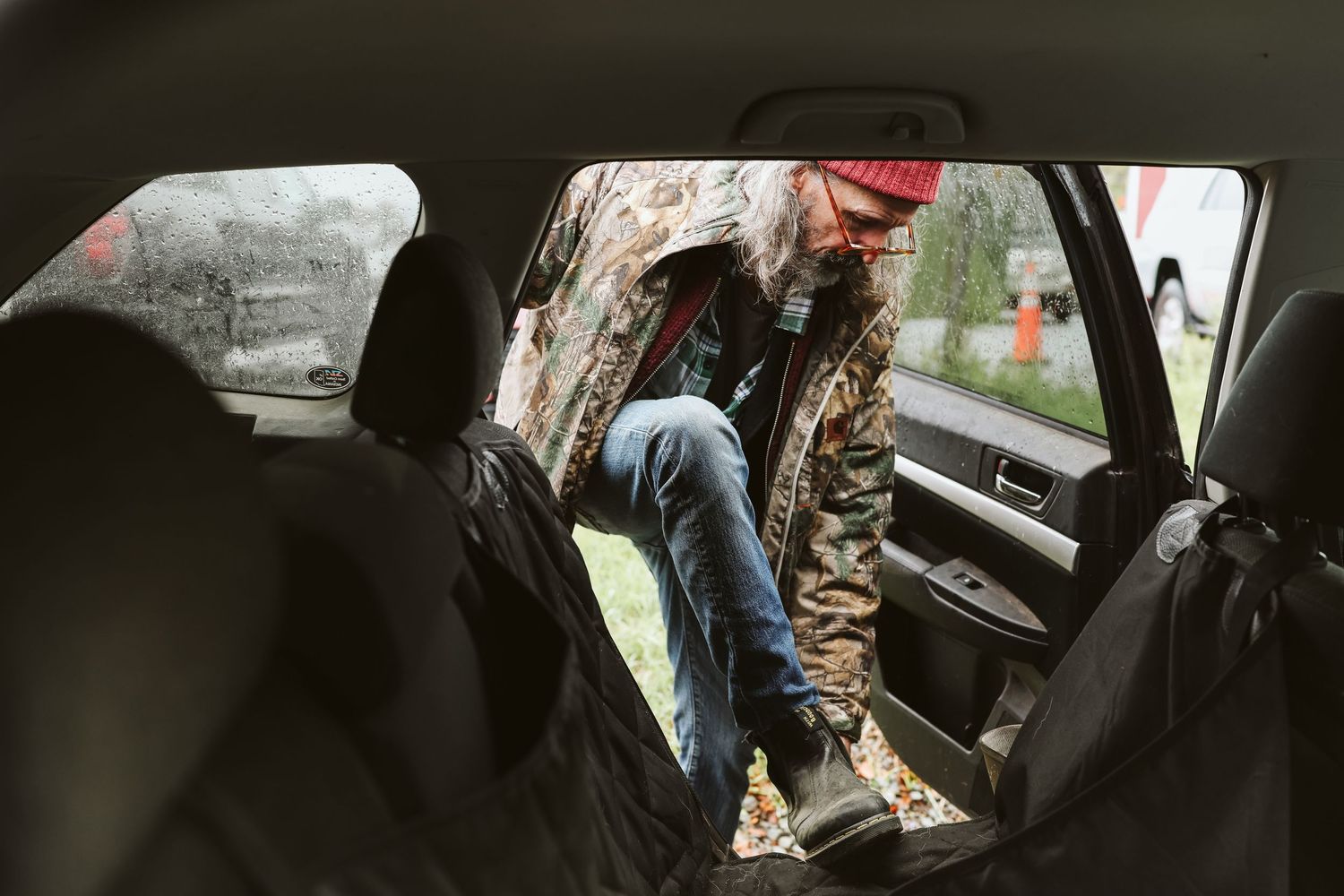
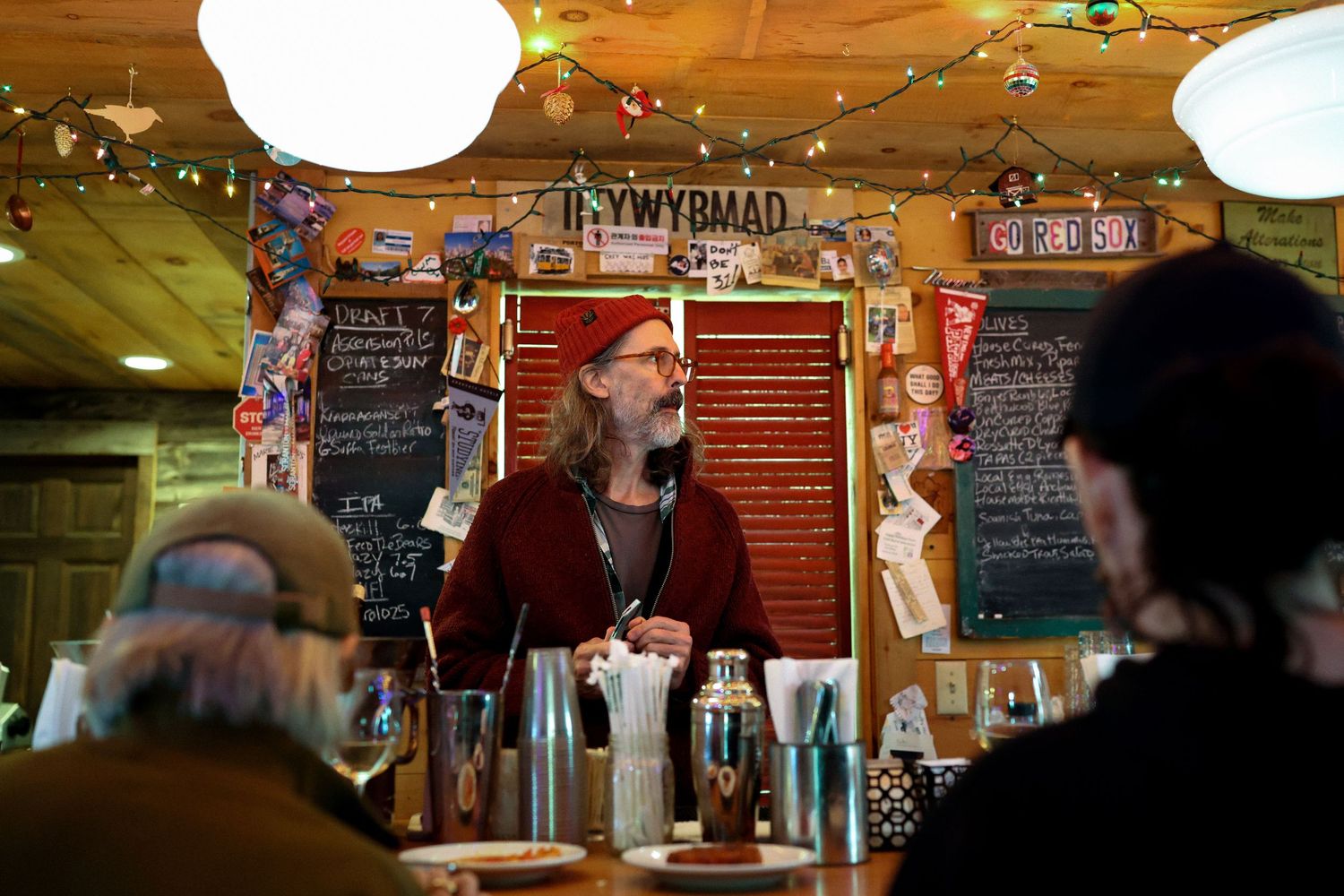
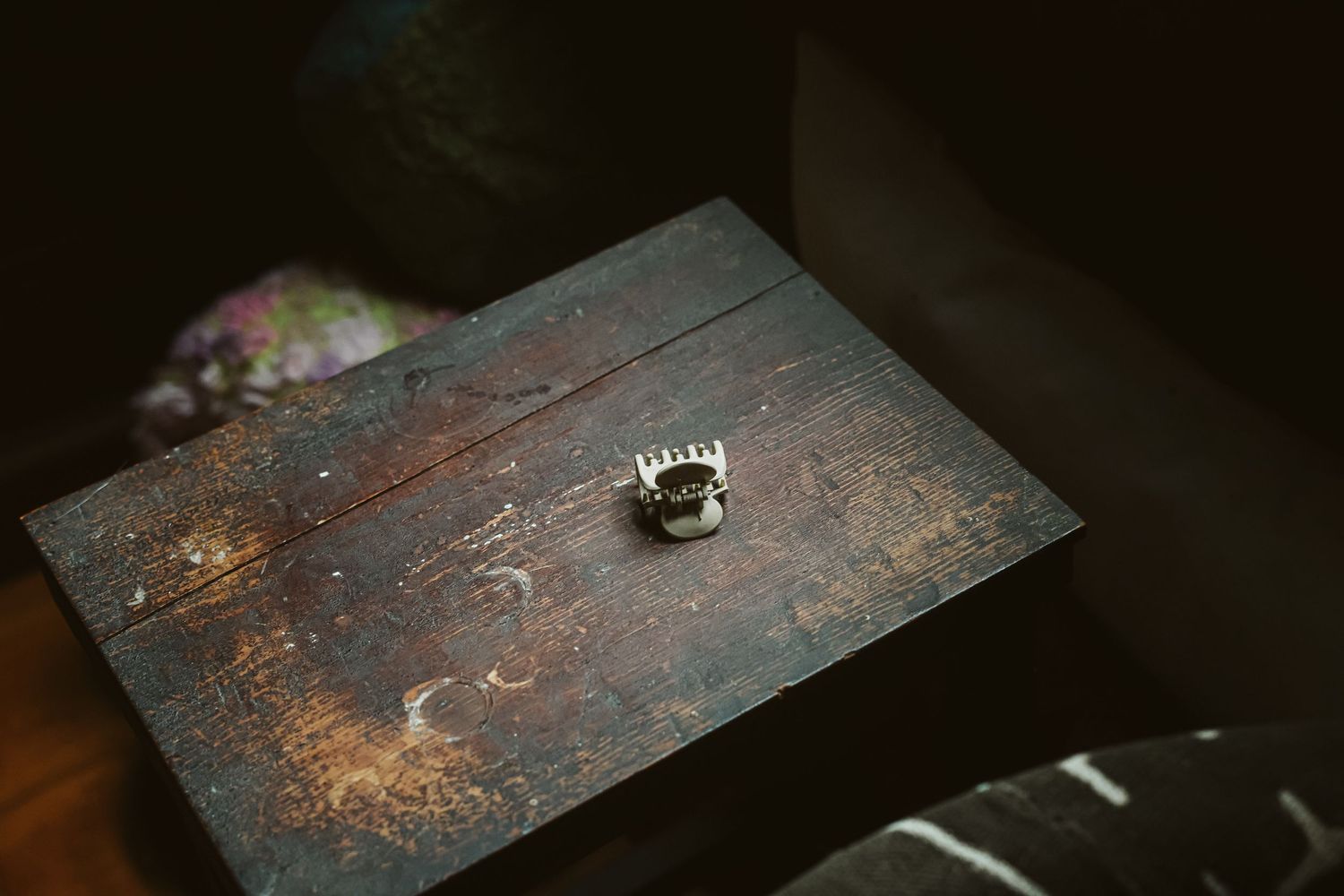
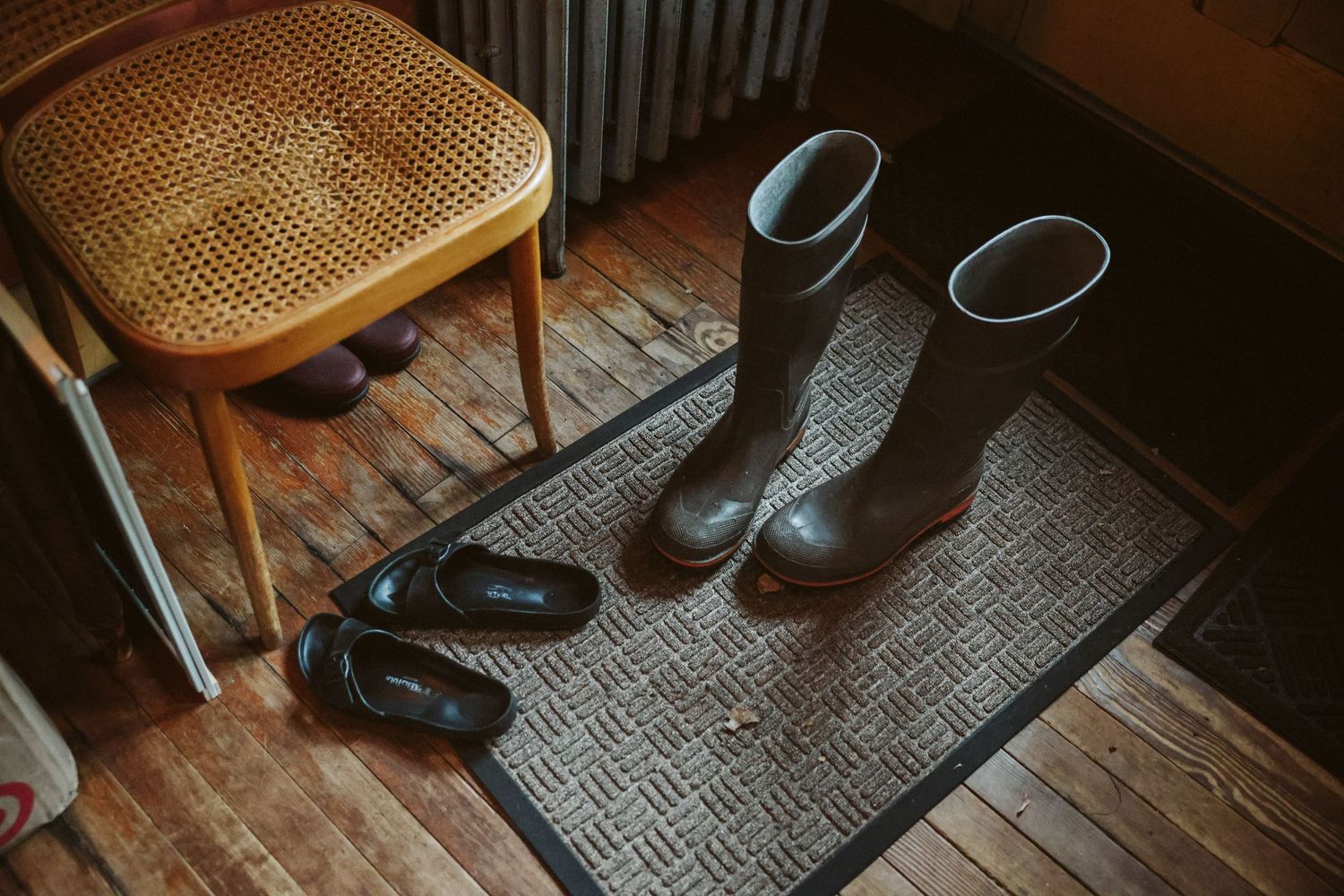
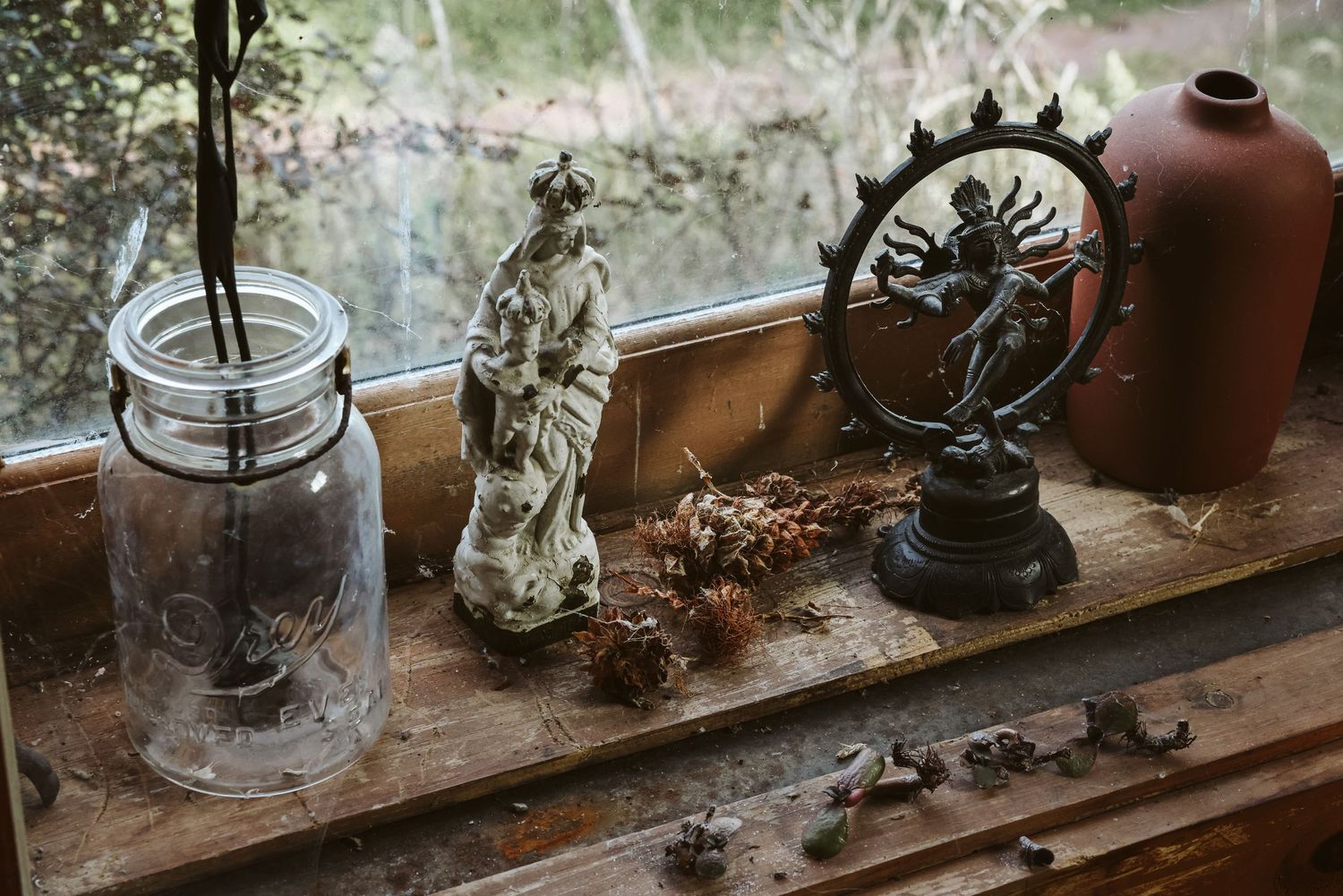
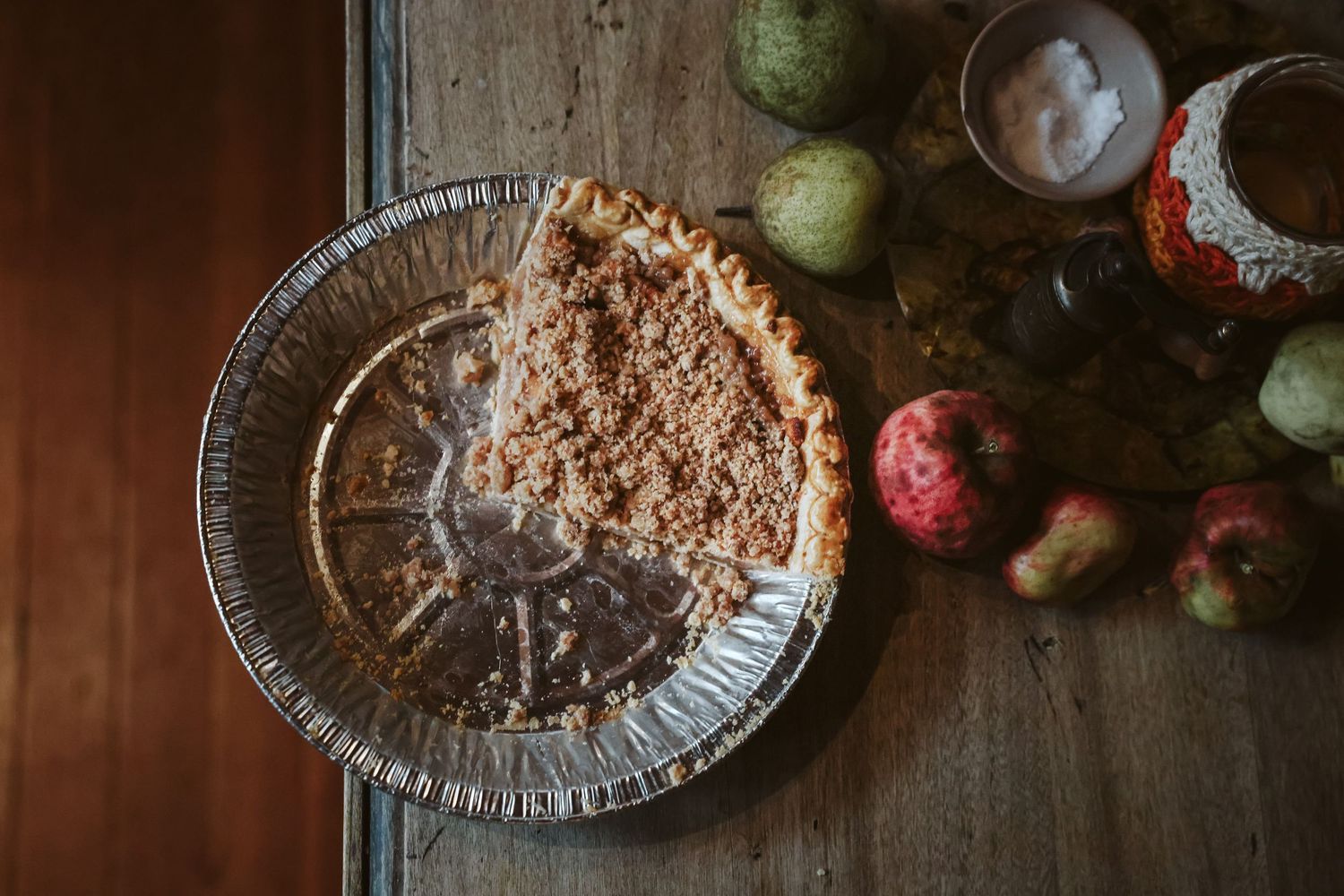
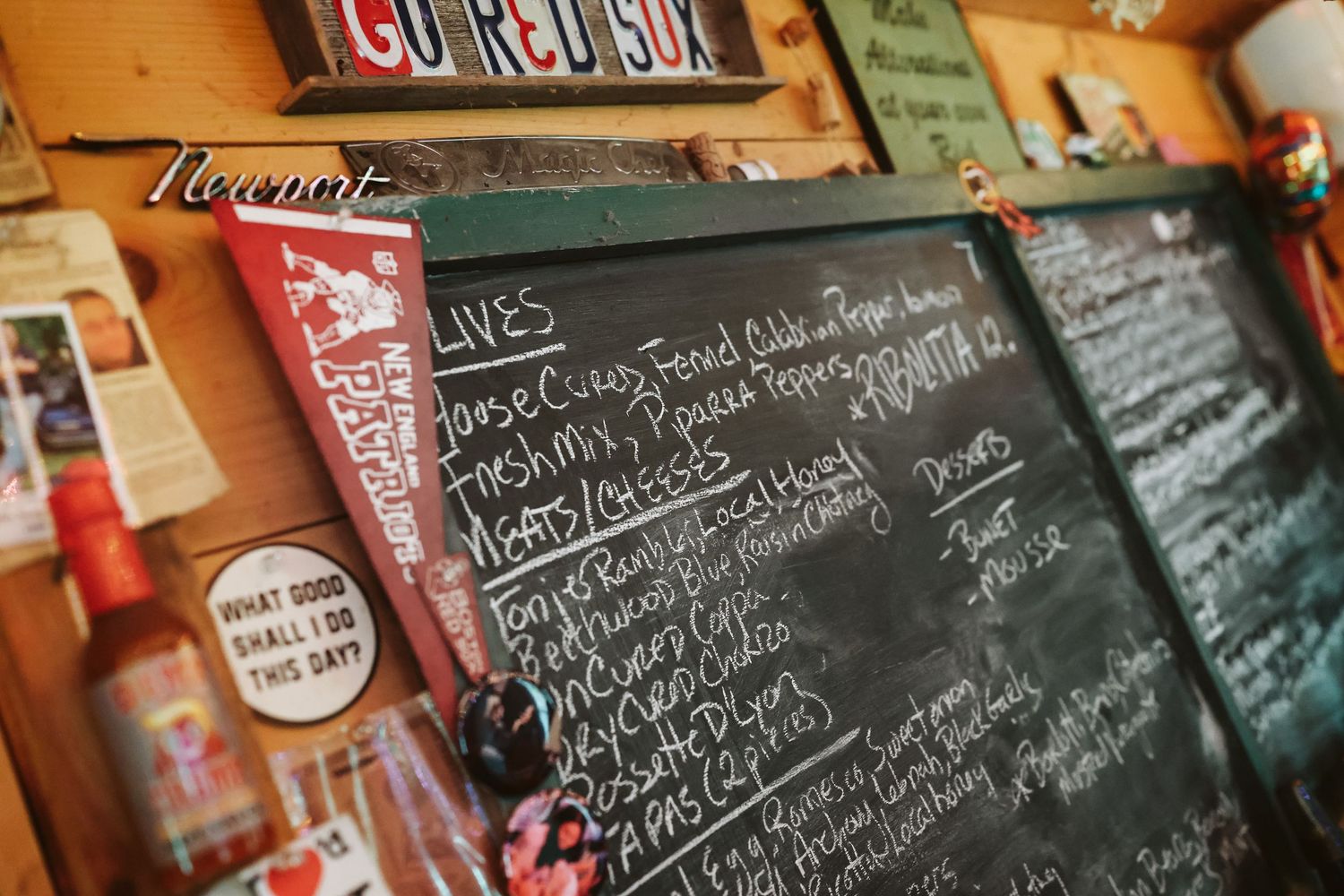
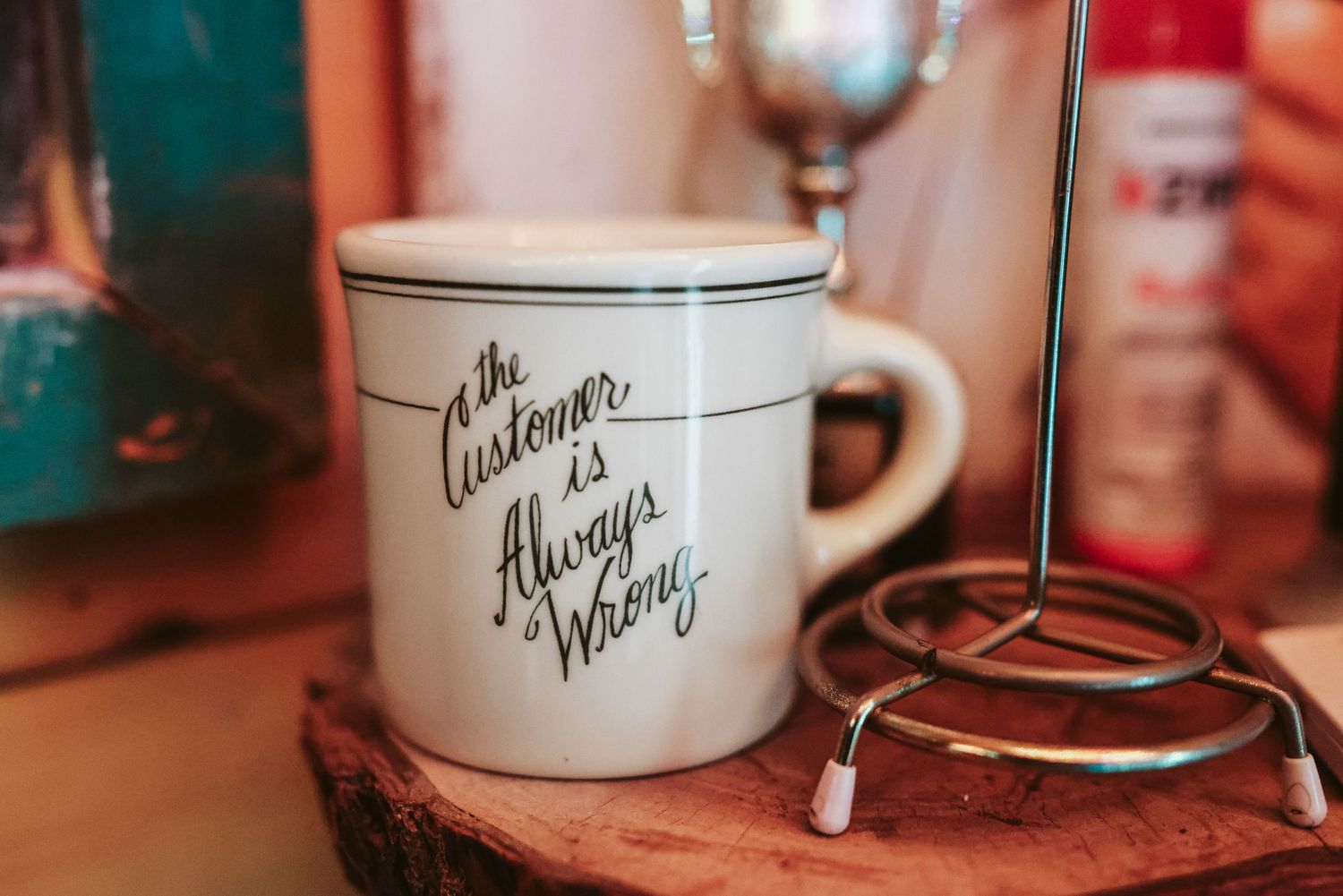
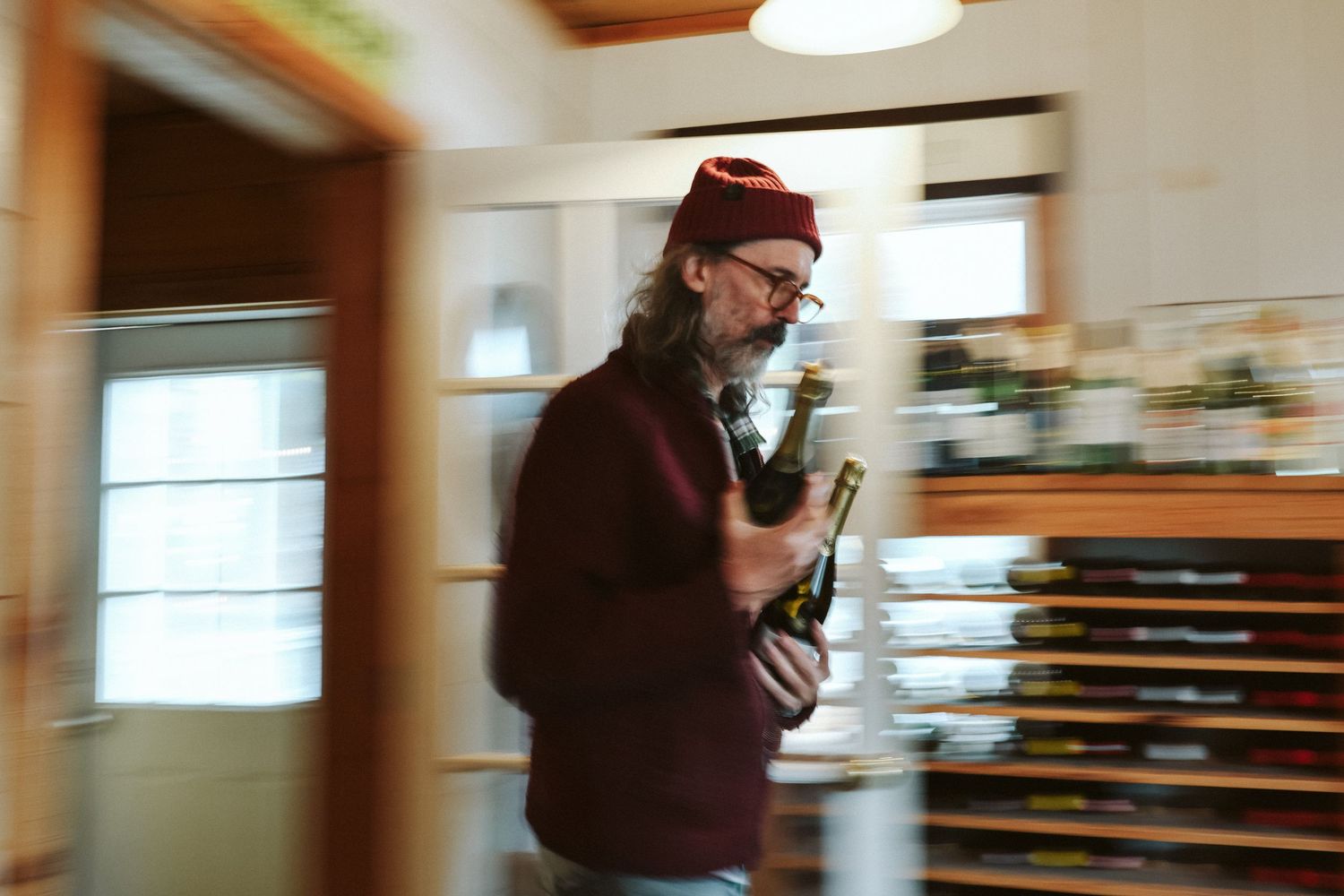
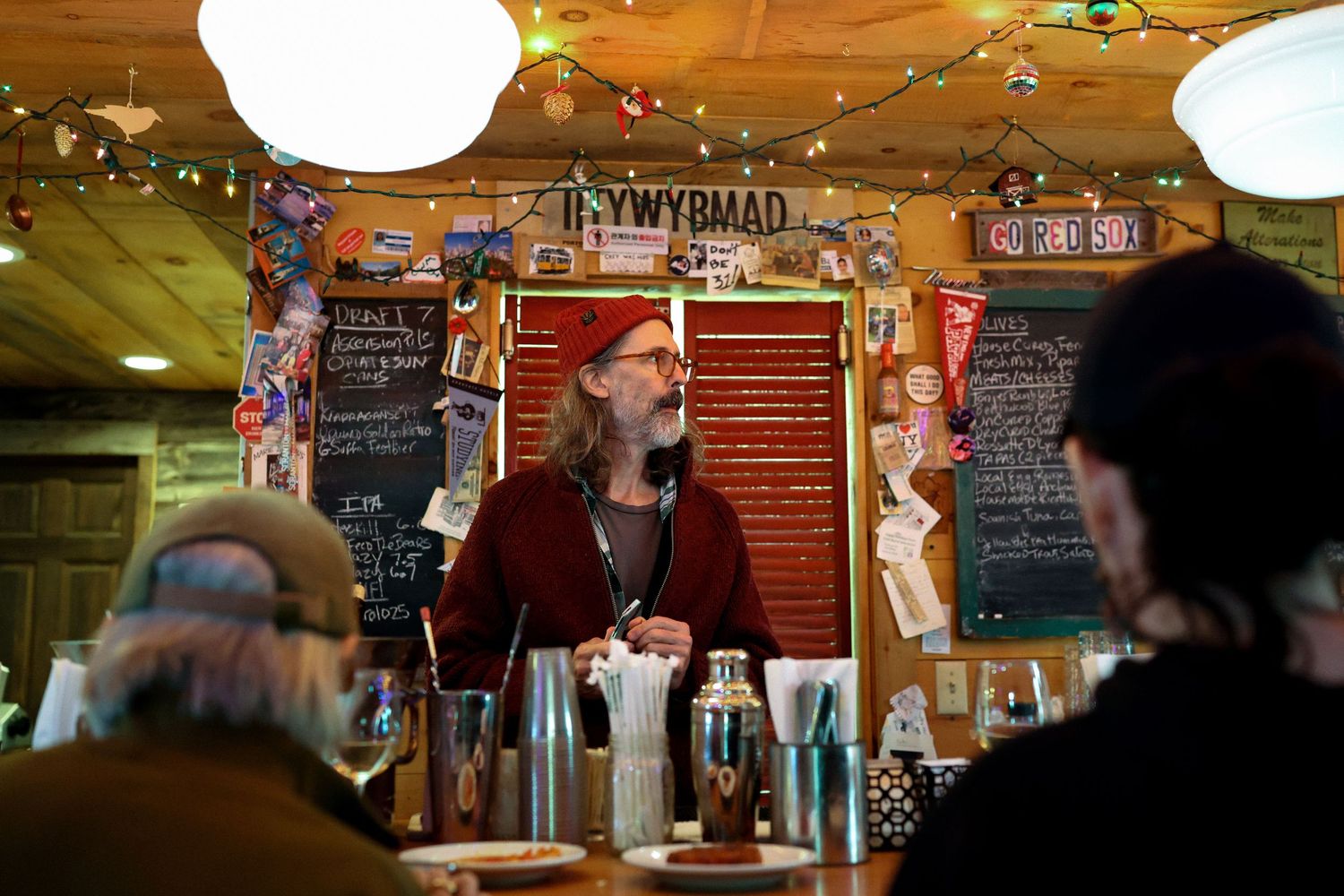
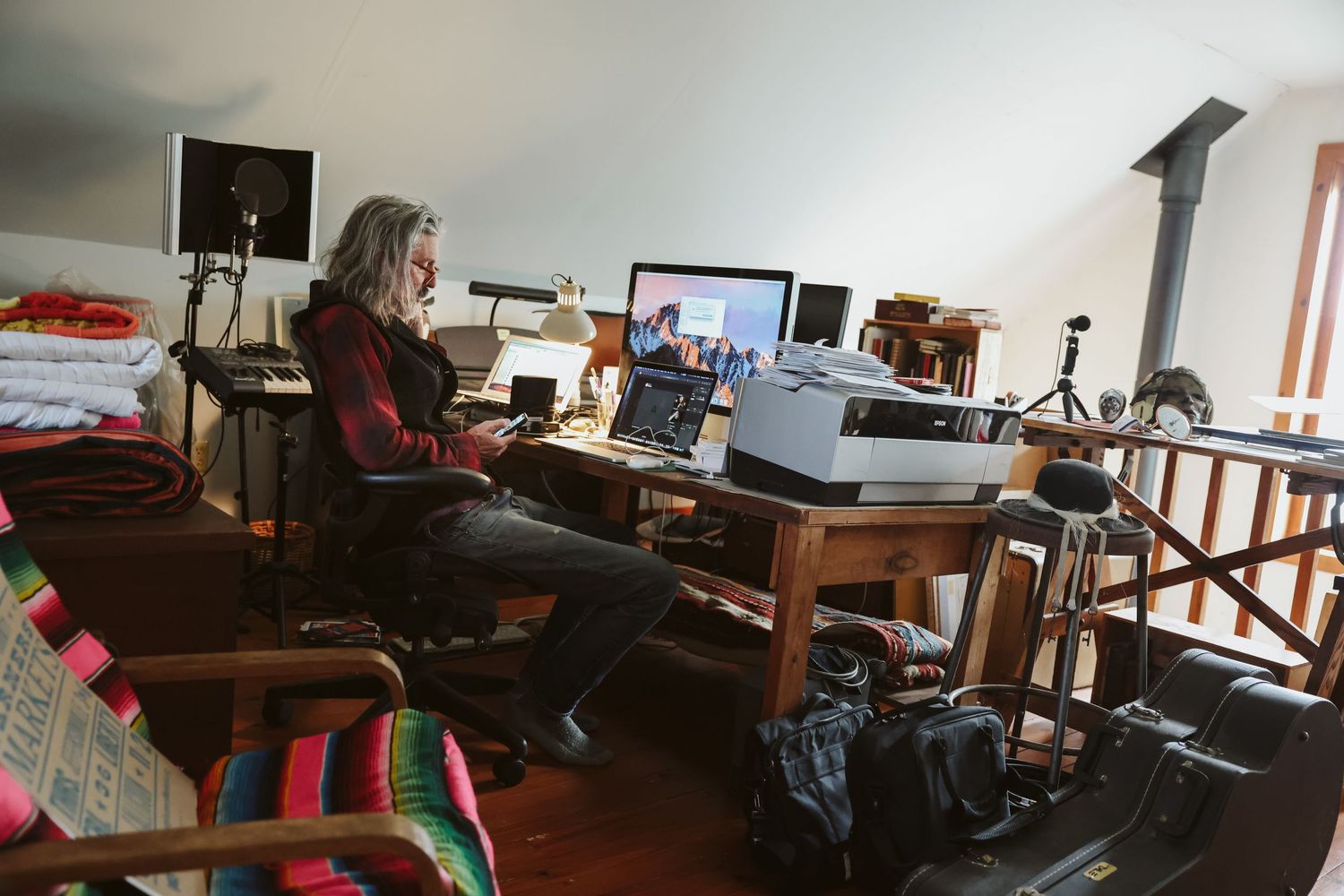
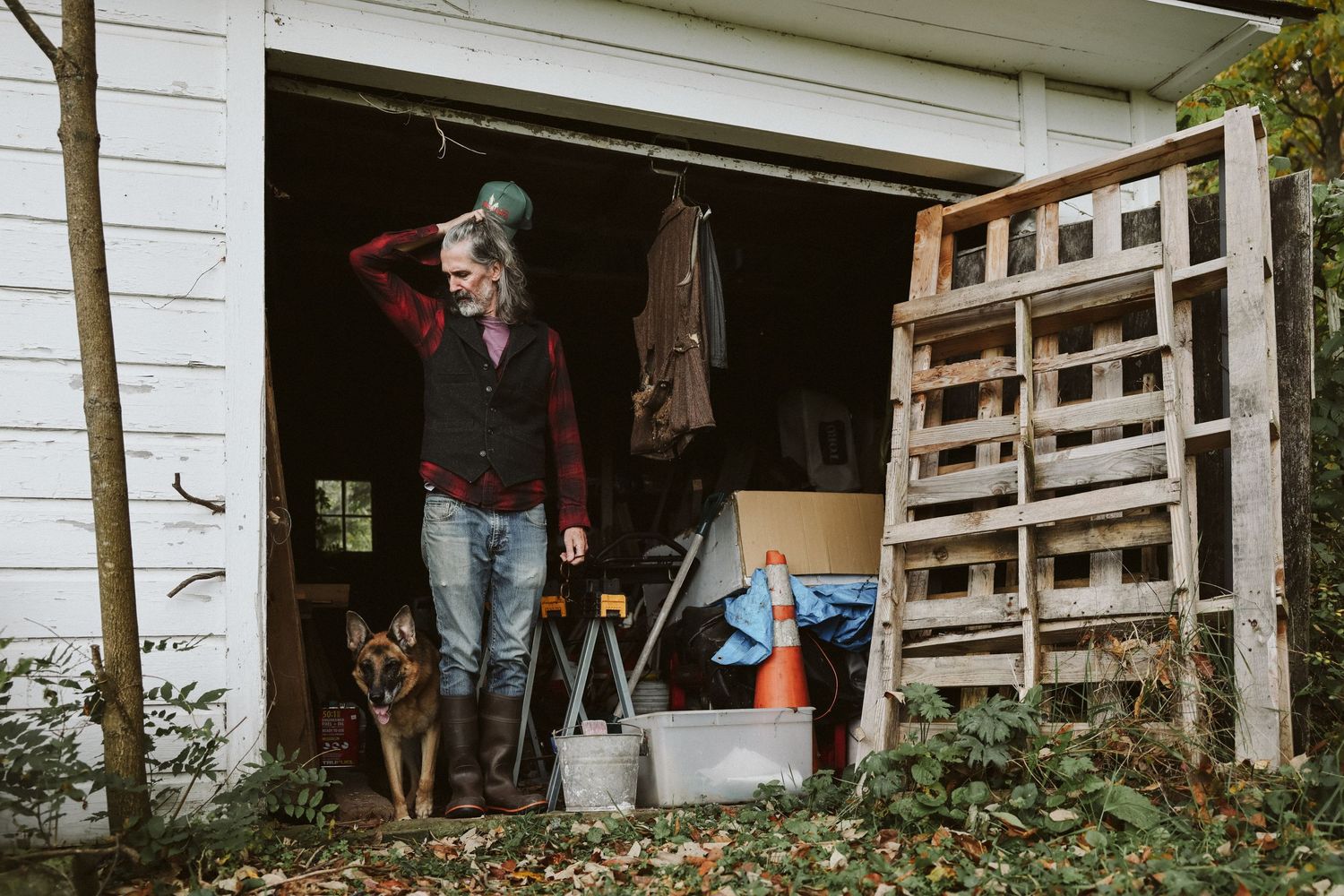
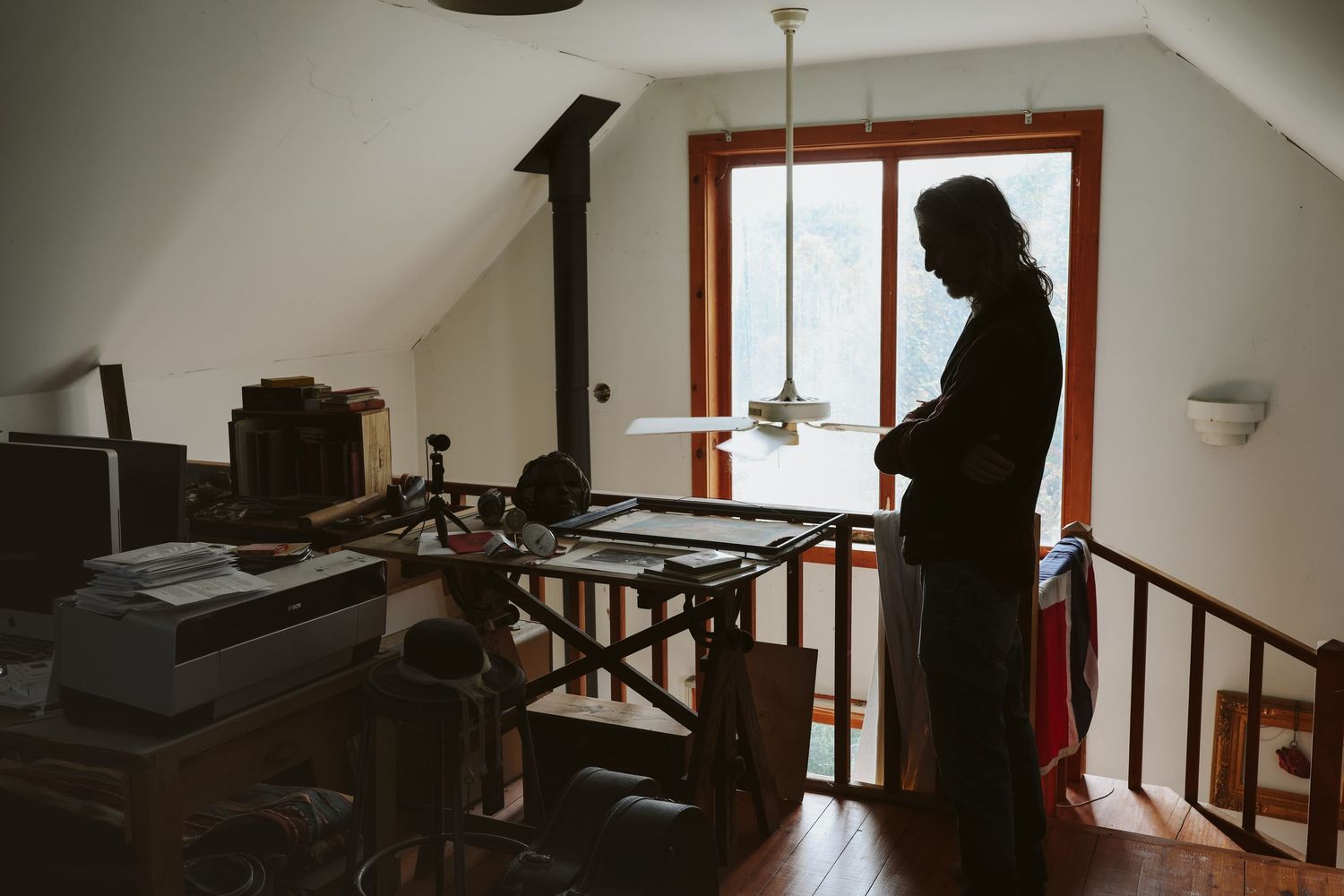
The photographs throughout this article combine selections made by my editor during the Eddie Adams Workshop and additional images I selected afterward from my assignment photographing Brett Keyser. Since I took few photographs of the workshop itself, these images offer a glimpse into my experience and what I learned.
Follow Brett on Instagram @lebretteur.
How I Ended Up at Eddie Adams
I first learned about the workshop through two military friends who had attended in previous years. One of them, Nick Pilch, spent nearly two years bugging me to apply before I finally submitted my portfolio. At the time, I was approaching my third year of photographing exclusively in black and white, both film and digital. I'd deliberately eliminated color because I struggled with maintaining consistency in my color photographs. I wanted to develop a more recognizable style, concentrating on light, shadows, contrast, composition, and the relationships between elements within a frame. During those three years, I experimented with everything from 8×10 large format cameras for landscapes and portraits in the northern Philippines, wet plate collodion to medium format film cameras, 35mm Leicas, and my digital Leica M10 Monochrom. It became one of my most rewarding personal challenges, and I finally developed a black and white style that felt like my own.
But that commitment created an unexpected problem when I started preparing for Eddie Adams. My team leader, Maye-E Wong, strongly recommended that at least half of my 20-image portfolio be in color. Unfortunately, I barely had any recent color photographs. My older work no longer reflected the kind of observational documentary photography I was interested in producing. So, two days before flying to New York, I headed to a vintage market in Alameda County with the ridiculous goal of producing ten new color photographs in a single outing. I dusted off my old 2012 Leica M Typ 240 and paired it with my 28mm Summicron Version I, a combination I've always enjoyed for its character and signature rich colors the 240 makes. There I was, trying to produce half my portfolio just days before attending one of the most respected photography workshops in the world. LOL. I arrived with ten black and white photographs representing years of work and ten color photographs made in a single afternoon. Not exactly how I imagined preparing for Eddie Adams, but at least I had something to present.
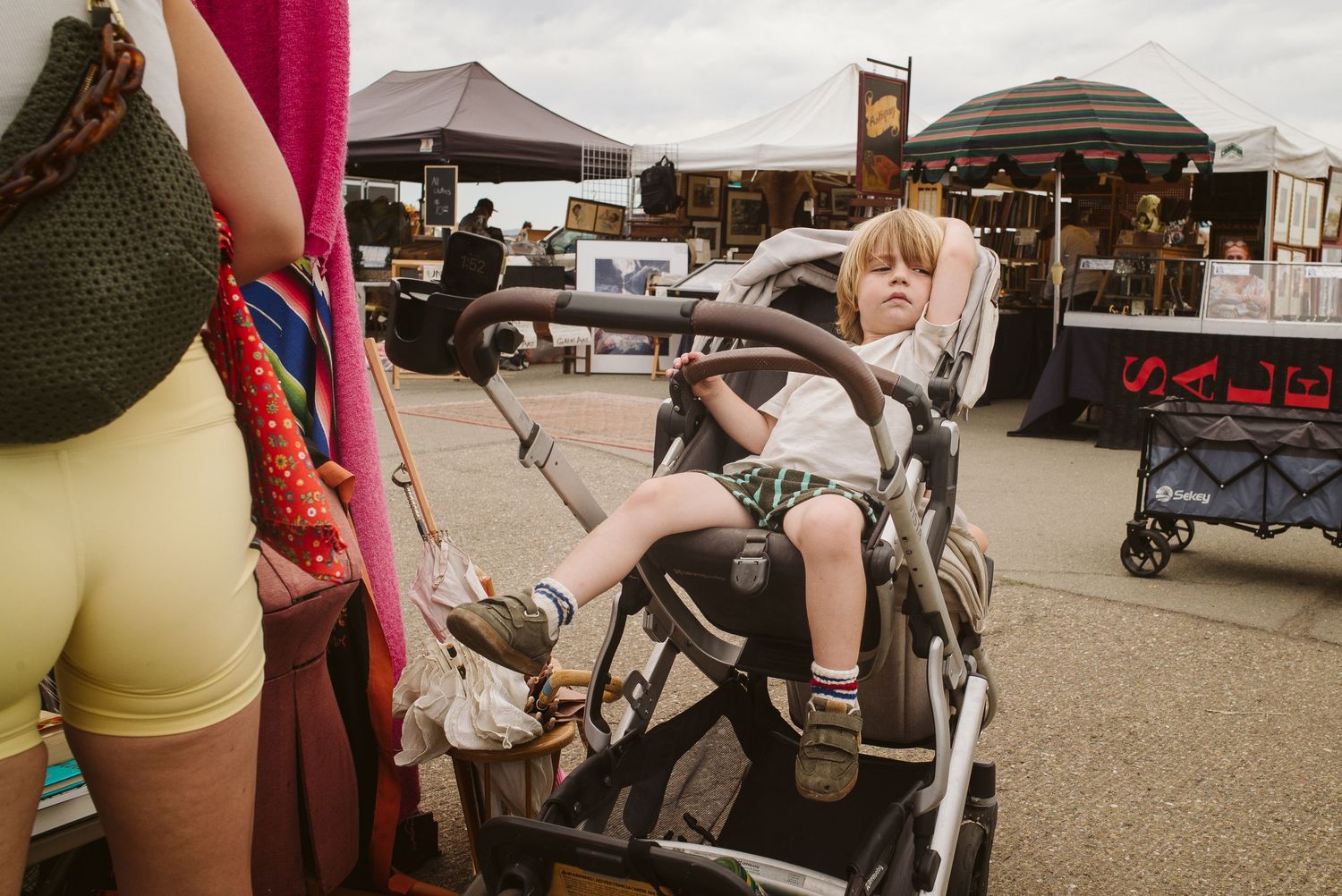
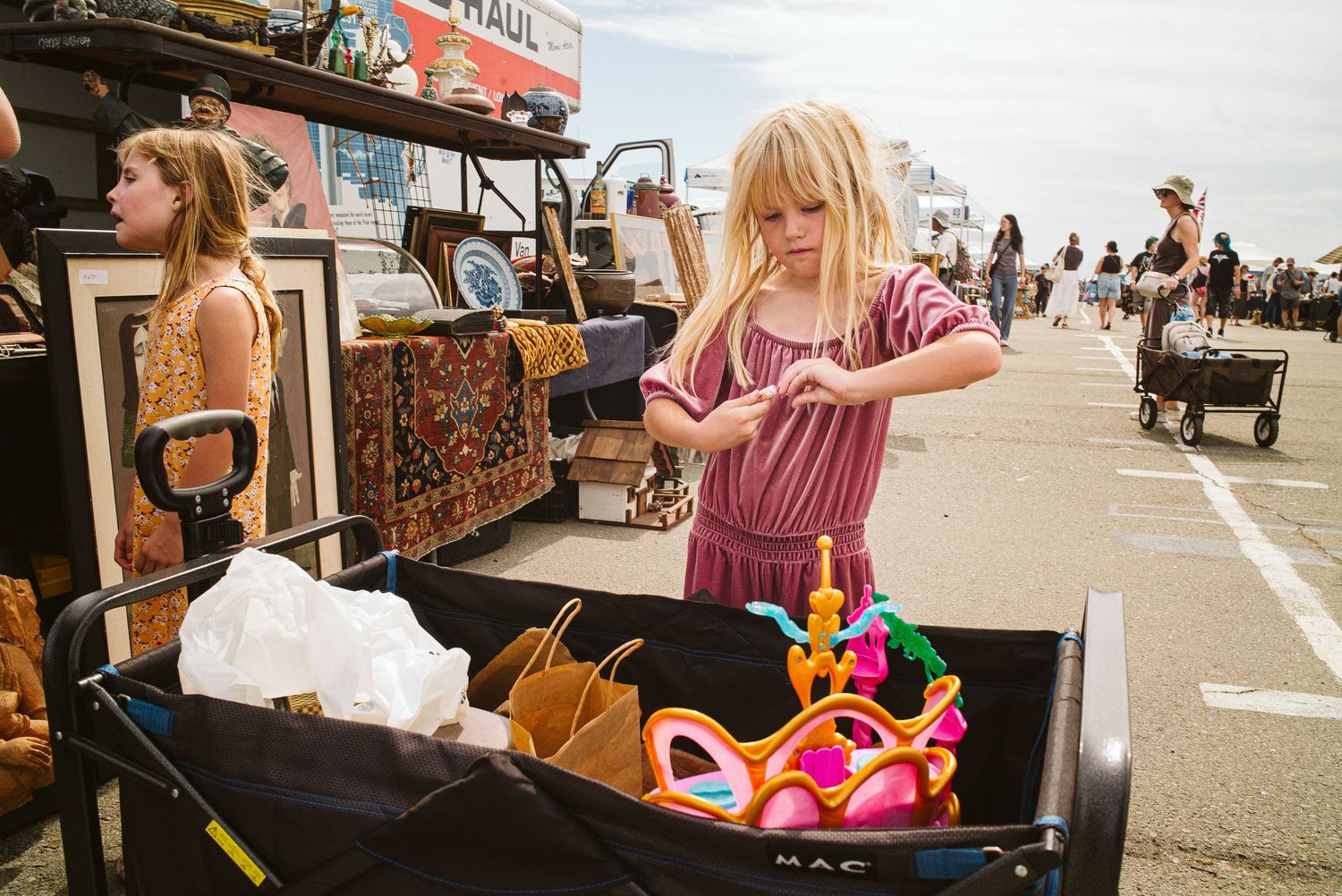
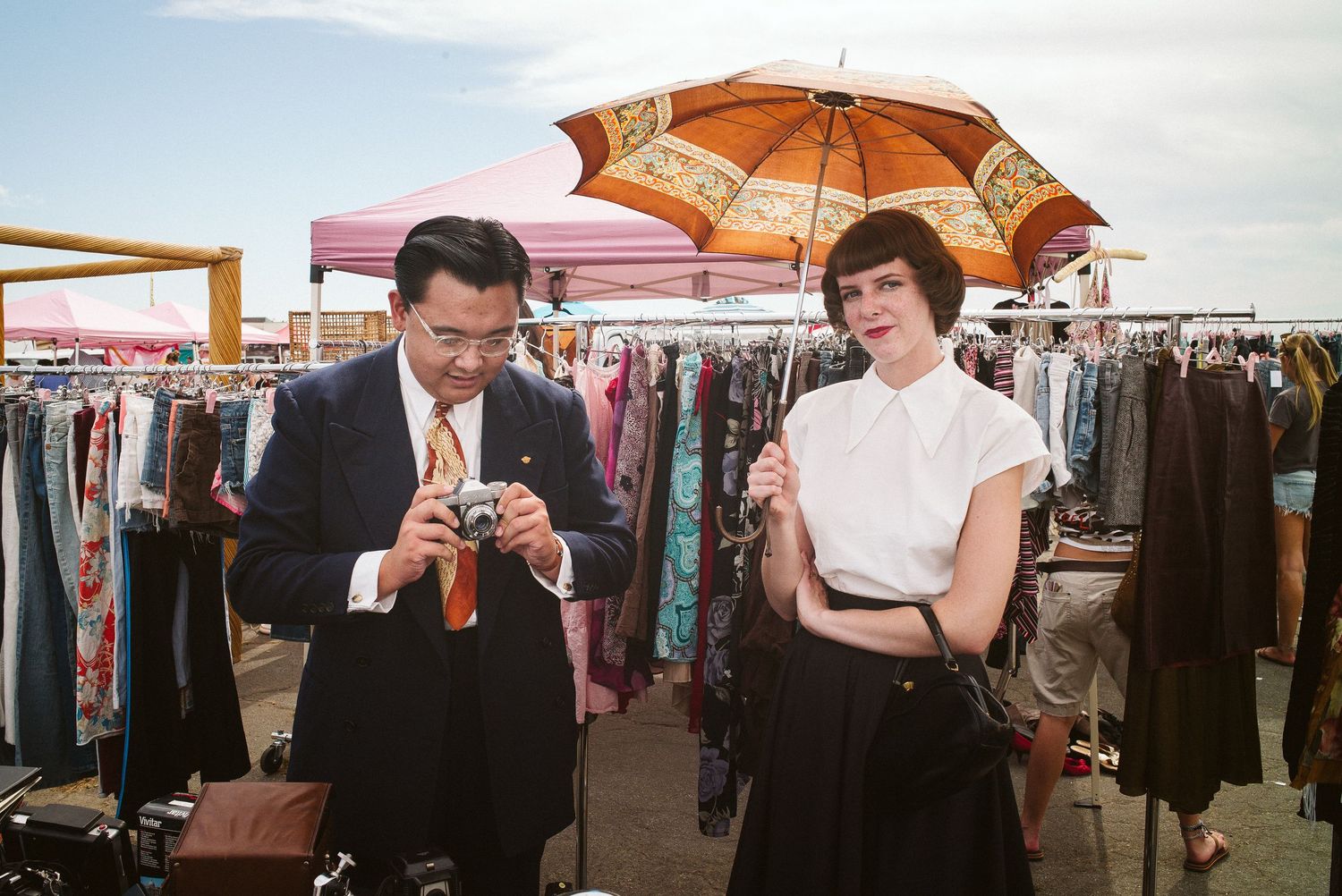
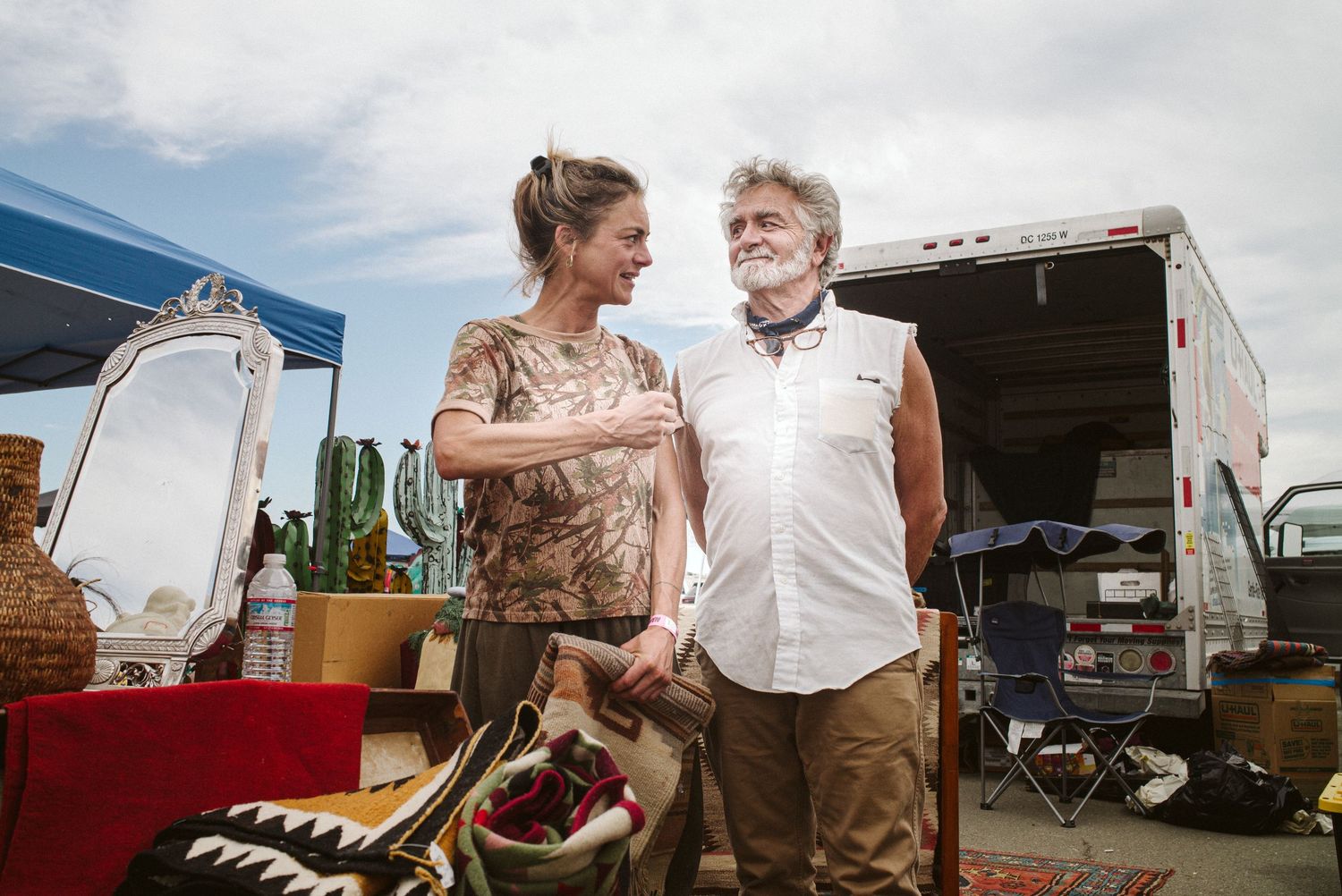
Photographs above: Last-minute color photographs taken at the Alameda County Fairgrounds Vintage Market on October 4, 2026.
Another Challenge: The Camera
The next challenge was figuring out what camera to bring for the assignment. My Leica M10 Monochrom was out because it only produces black and white images, and film cameras weren't permitted. My Leica M240 was an option, but its limitations at higher ISO settings concerned me, especially without knowing what lighting conditions I'd encounter. I considered bringing my government-issued Nikon Z8, since the workshop qualified as professional development related to my Air Force public affairs work. But I'd grown accustomed to smaller manual-focus rangefinders, particularly with 28mm and 35mm prime lenses. I've developed a way of photographing people without bruising the scene. I don't want my presence or equipment to intimidate subjects or disrupt what's happening around them. Working with wider lenses also encourages me to get physically closer, making photographs that place viewers within the experience rather than at a distance.
Canon was a workshop sponsor and generously provided loaner equipment, so I decided to use an EOS R5 Mark II with a 24–70mm zoom and a 35mm prime. I even placed a piece of gaffer tape on the zoom lens to mark the 28mm position. I know. A perfectly capable zoom lens, and I was trying to turn it into a prime. Haha. Technically, switching camera systems shouldn't have been difficult. But knowing how to operate a camera and being comfortable with one are two different things. These days, much of my Air Force public affairs work involves video production, while my personal still photography follows a different process. I was already returning to color after three years of black and white. Why not make things even more interesting with an unfamiliar camera system? Looking back, I probably made things more difficult than necessary.
Team Turquoise and an Unexpected Connection
I was assigned to Team Turquoise, led by Maye-E Wong, with editor Eve Edelheit and producer Nancy Borowick. There were ten students from different backgrounds, and I naturally found myself taking on a bit of a Kuya, or older brother, role (to some at least). I enjoyed looking after my teammates and being part of a group where everyone genuinely wanted each other to succeed. During our first team gathering, we introduced ourselves and explained what we hoped to accomplish. I shared my plans to return to Banda Aceh, Indonesia, where I'd served aboard USS Abraham Lincoln during the 2004 Indian Ocean tsunami relief operations as a helicopter mechanic with HSL-47, the Sabrehawks. More than twenty years later, I wanted to document how people had rebuilt their lives and livelihoods. I'd already been communicating with a local translator and fixer and was preparing for an initial visit in January 2027.
That's when Maye told me something I wasn't expecting. She had also been aboard USS Abraham Lincoln during the tsunami relief operations, working as an Associated Press photographer. I couldn't believe it. More than twenty years earlier, we'd been aboard the same aircraft carrier during one of the most significant humanitarian missions of my military career. Back then, I was helping maintain helicopters while journalists documented the relief operations. Now I was sitting with one of those photographers in upstate New York, hoping to learn how to tell my own story about the place that connected us. Photography really does make the world feel small sometimes.
Meeting Brett Keyser
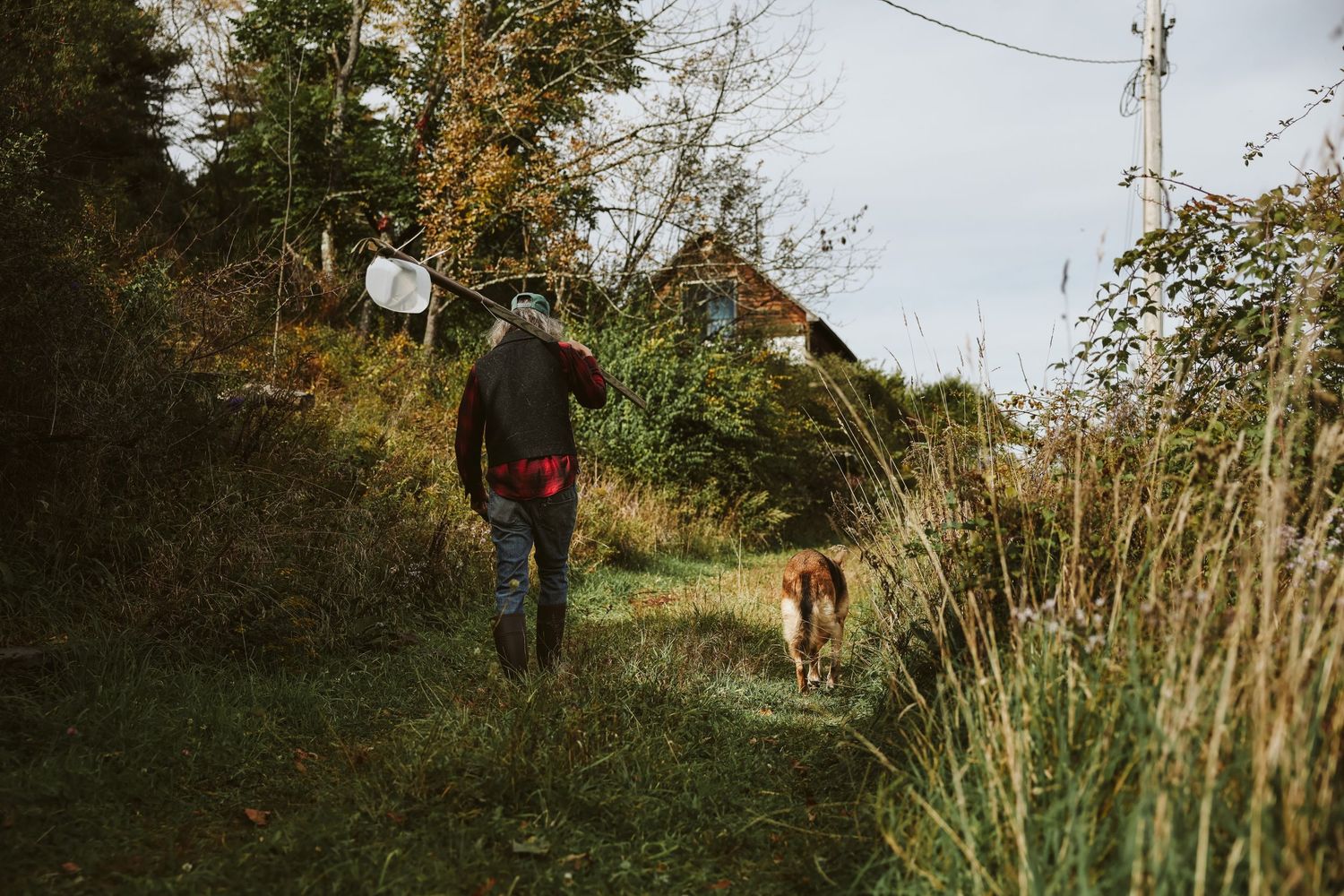
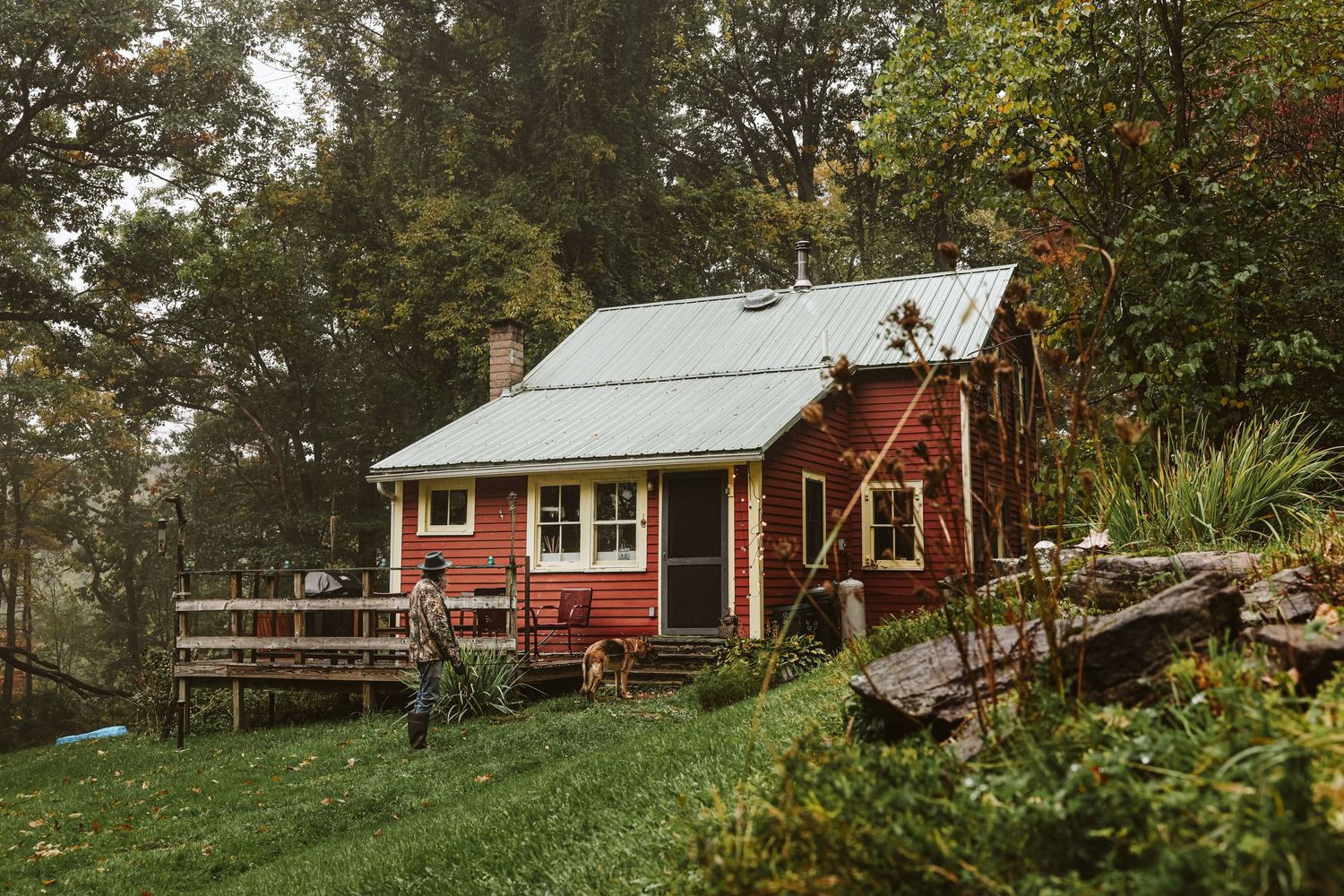
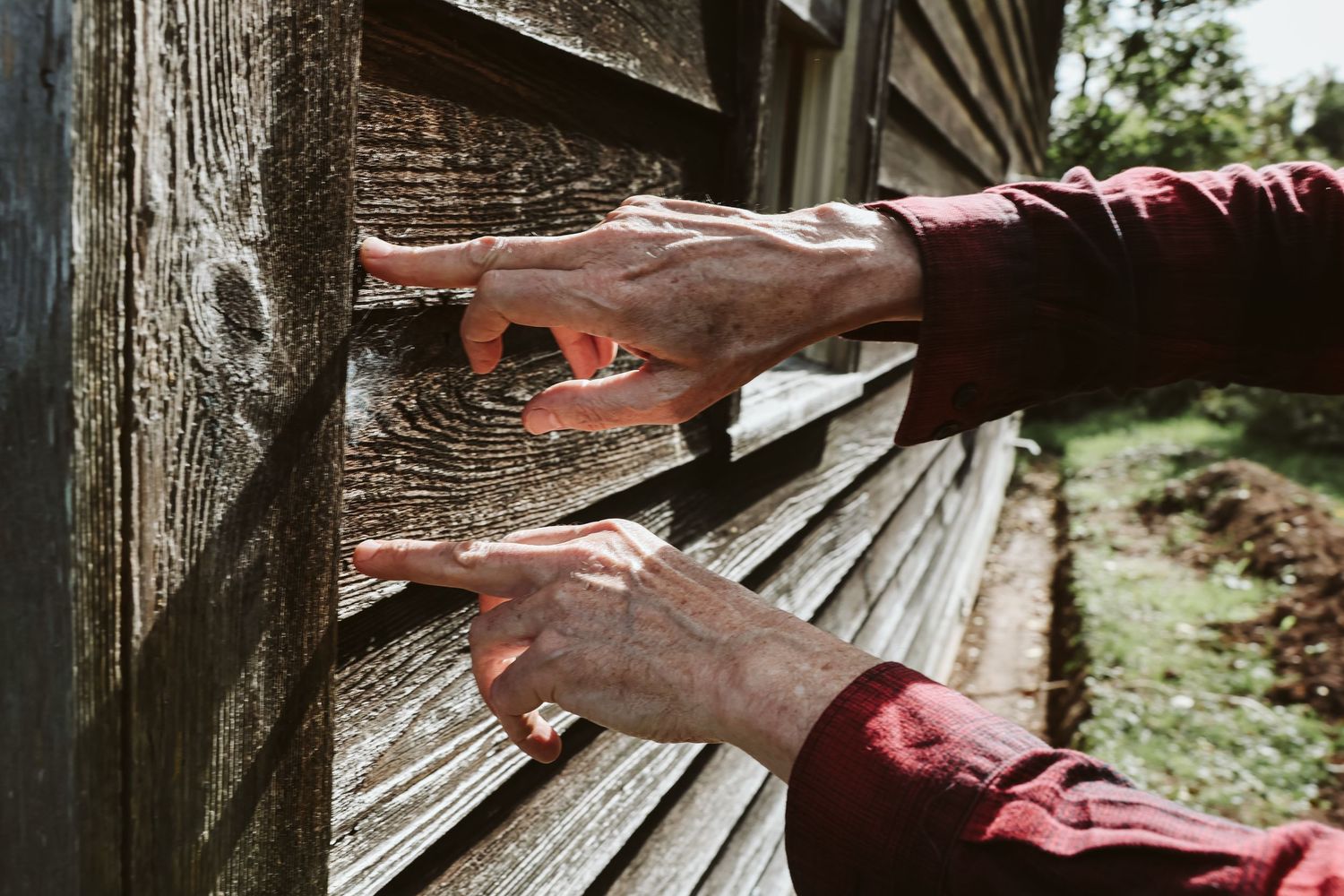
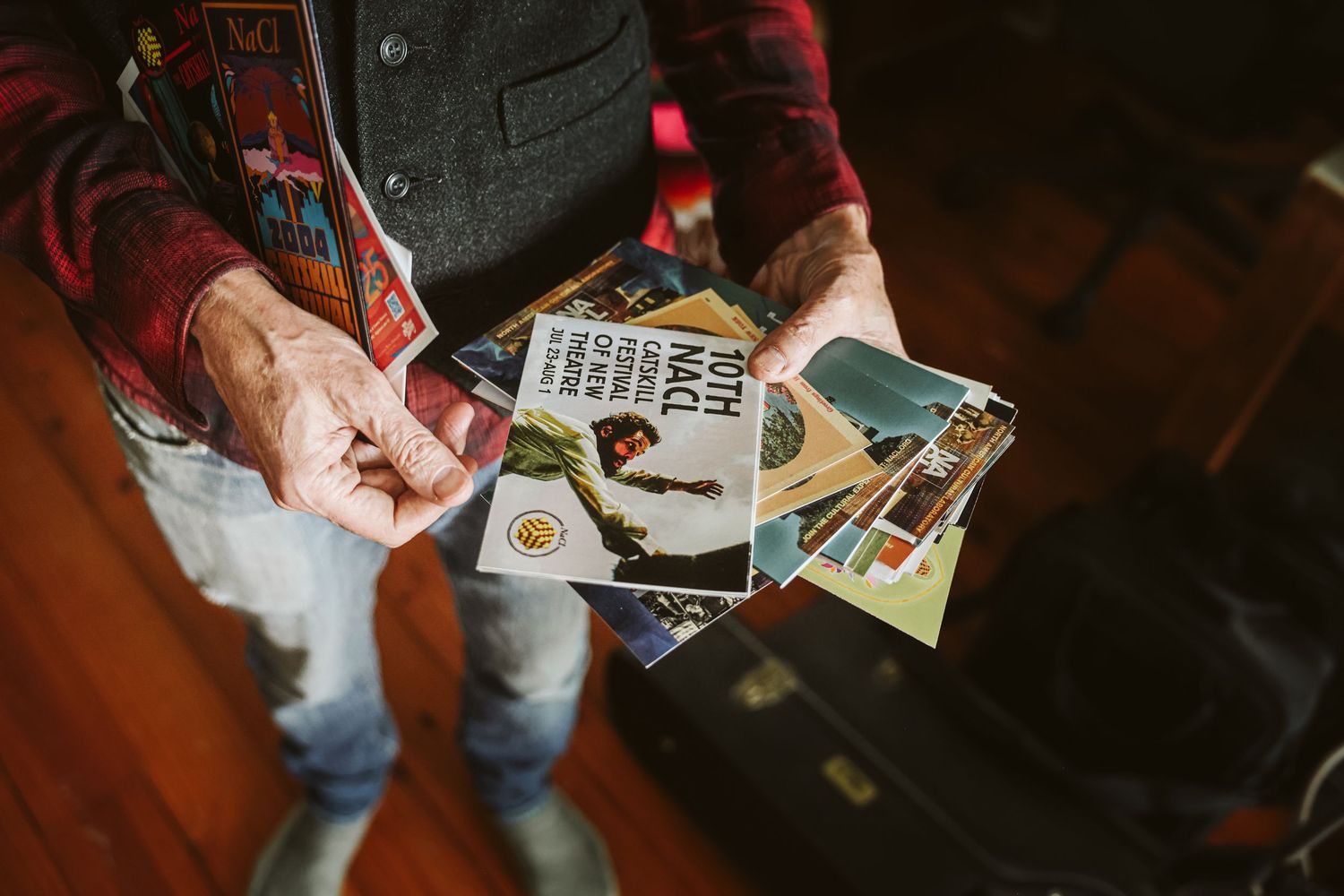
My workshop assignment was to photograph Brett Keyser, a community theater performer, artist, graphic designer, and carpenter who insists he isn't a professional. After visiting the two houses he's been restoring, I'd disagree. Both houses are filled with beautiful old furniture inherited from his parents, theater costumes, historical memorabilia, and objects you wouldn't find in an ordinary home. Brett also has a fascinating habit of leaving things to decay outside and explaining how they got that way. He talked about crows eating his apples and a headless bird he suspected foxes had gotten to. None of it struck me as particularly strange. If anything, his explanations made me want to listen longer. Coming from California, I also found it interesting how his restoration work revolves around the seasons. The siding needs to be finished before the rainy season, and the plumbing has to be ready before winter.
Brett stays with his partner, Loni, and her daughter, who are both DJs. He also has an elderly German Shepherd who seemed determined to avoid my camera. LOL. Brett loves his apples, too. He even baked an apple pie, and the following morning I had a slice for breakfast at Loni's house, along with a good, strong cup of coffee he made for me. I appreciated that, especially since the coffee at Eddie Adams was a little too weak for my taste. Haha. The more time I spent with Brett, the more I recognized our similarities. We both have too many interests, jump between hobbies, and rarely sit still. I genuinely enjoyed photographing him. But I eventually realized I was making plenty of individual photographs without necessarily building a complete story.
Maye and Eve picked up on that almost immediately. I was concentrating too much on Brett himself and missing what they described as the power of suggestion. His furniture, unfinished renovations, decaying objects, and even those apples could have helped tell his story without Brett appearing in every frame. Ironically, that's something I regularly practice in Air Force public affairs, where small details often reveal more about a person than another portrait. I could have blamed the unfamiliar Canon, but the camera was more than capable. I simply wasn't applying what I already knew. On the second day, I made a conscious effort to correct that, concentrating more on the details, surroundings, and relationships that could help complete Brett's story. That became one of my most valuable lessons at Eddie Adams: making strong individual photographs and telling a complete story are two different things. And recognizing what's missing means little unless you're willing to change how you're working.
500 Frames. Well, Almost.
Our assignment came with specific restrictions: 500 photographs, JPEG only, no deleting images, and a 12:30 p.m. deadline to turn in our memory cards. I didn't mind those limitations. I've photographed with film for years, and I'm accustomed to getting exposure right in camera. But then came something I hadn't anticipated. Burst mode. For some reason, I couldn't figure out how to turn off continuous shooting on the Canon. I kept accidentally triggering bursts when I intended to make a single frame. By the time I turned in my memory card, I'd shot 865 photographs. Yes, 865 just on day #1. With a 500-frame total limit. LOL. My teammates gave me a hard time about it, and rightfully so.
During our team critique, Maye, Eve, and Nancy reviewed our photographs while everyone listened. I appreciated learning from my teammates' successes and mistakes as much as my own. When it was my turn, I was pleasantly surprised. They commended my exposures, particularly how I worked with light and shadow. They also noticed how frequently I changed positions and experimented with different angles. That was encouraging because those habits came from years of photographing with film and manual-focus cameras. Of course, there was still the matter of those 865 frames. I think my team will remember that number for a while. Haha.
Our instructors emphasized that the assignment wasn't necessarily about producing the best photographs. It was about recognizing challenges, understanding limitations, and figuring out how to work through them. By the second day, I was finally comfortable with the Canon R5 Mark II. And remember those 865 photographs? Well, I managed to shoot around 170 the following day. Quite an improvement. I even finished early enough to photograph the farmers market, returning to what I naturally enjoy doing: wandering around, observing people, anticipating moments, and making photographs without a predetermined outcome. The assignment reminded me that experience doesn't automatically guarantee a good story. Sometimes you have to recognize when your usual habits aren't producing what the narrative needs.
The Portfolio Reviews
One of my biggest reasons for attending Eddie Adams was meeting photographers and editors whose work and judgment I respected. I was fortunate to have portfolio reviews with David Burnett, Kiliii Yüyan, Olivier Laurent, Sana Ullah, and Rebecca Fudala. I managed to connect with five of my top eight choices. All five responded positively to my work, but what I appreciated most were the conversations and questions. I wasn't there simply to collect compliments. I wanted to understand what I could do with the photographs. Could they lead to assignments? What was missing? How could I transition from making personal photographs to developing stories editors might commission? Looking back, I wish I'd been better prepared to ask those questions myself. A portfolio review is only as productive as the conversation you bring into it.
Two conversations that meant a great deal to me were with David Burnett and Olivier Laurent, Deputy Director of Photography at The Washington Post. I've always had a funny relationship with the term "street photography." I usually describe my work as observational documentary photography because the former has become so overused.. especially in the Leica world. I suppose I also didn't want to admit I was another guy walking around with a Leica. LOL. David told me there was no reason to be embarrassed about photographing in the street. Olivier offered similar encouragement. Both recognized the character and personalities of the people in my photographs, something I've always worked hard to capture. I've never been particularly interested in relying entirely on clever backgrounds, unusual compositions, or visual gimmicks. Those can contribute, but I want the people themselves to have a presence.
When photographing strangers, you have no special access, little control, and often no opportunity to repeat a moment. You have to anticipate. For me, that process begins long before I raise the camera. I pay attention to people from twenty feet away, their mannerisms, expressions, and how they interact with others. By the time someone enters my preferred shooting distance of six to eight feet, I want to have already considered the light, background, and potential moment. Of course, it doesn't always work. But that's what keeps me interested. Hearing David and Olivier recognize that approach in my photographs meant a great deal. Maybe I should stop being embarrassed about calling myself a street photographer. Although I'll probably stick with observational documentary photography. Haha.
The Conversation That Gave Me Direction
Of all the experiences I had during the portfolio reviews, a few conversations really stayed with me. One question in particular came from Kiliii Yüyan, who asked me something deceptively simple. "Why?" Why this work? Why these photographs? Why now? Funny enough, these are practically the same questions I ask photographers who approach me about their portfolios. Why you? Why this portfolio? And why now? Yet when someone turns those questions around and asks you to explain your own intentions, you realize how difficult they can be to answer. I appreciated that because I wasn't at Eddie Adams simply to hear that my photographs were good. I wanted people to challenge my thinking and help me understand where the work could go next.
One conversation that helped bring those questions into focus was with Sana Ullah, Senior Program Officer, Storytelling at the National Geographic Society. Our review eventually moved beyond individual photographs and into the personal documentary projects I wanted to pursue. I told her about two projects: Banda Aceh, Indonesia, and Women of Abra in the northern Philippines. At that point, Banda Aceh was my priority. I wanted to return more than twenty years after serving aboard USS Abraham Lincoln during the 2004 Indian Ocean tsunami relief operations and document how people had rebuilt their lives and livelihoods. I'd already established contact with a local translator and fixer and was planning an initial visit in January 2027. My intention was to conduct a site survey, establish local relationships, research access and permits, and make preliminary photographs that could help me develop the larger project and potentially secure funding. It seemed like a practical approach, but there were still plenty of unknowns. I hadn't been back in over twenty years, and the project would require considerable time, research, and resources.
Then I told Sana about my late aunt, Puraperla "Pura" dela Cruz Sumangil, and her legacy in Abra. Auntie Pura wasn't just someone who dedicated her life to helping others. She was an educator, community organizer, and advocate for good governance who co-founded Concerned Citizens of Abra for Good Governance. Her work earned national and international recognition, including a nomination for the 2005 Nobel Peace Prize and the Pro Ecclesia et Pontifice distinction from the Vatican in 2022, one of the highest papal honors awarded to laypeople for service to the Church. Among her many contributions was her work as head matron at Saint Arnold Janssen Dormitory in Bangued, where young Indigenous Tingguian women from remote upland communities were given a place to live while pursuing their education. I'd already photographed some of the auxiliaries connected to my aunt's life and work, but I wasn't sure how to develop a larger project without simply producing a photographic tribute to a family member.
Sana encouraged me to concentrate on the people my aunt left behind. What became of the women who lived at the dormitory? Where are they today? How did their education affect their families and communities? What about the auxiliaries who worked alongside my aunt or cared for her during her final years? Those questions changed how I thought about the project. Sana also pointed out something practical. Women of Abra was the lower-hanging fruit. I already had family connections, some existing portraits, and a trip to the Philippines planned. Banda Aceh would require considerably more research, logistics, and resources. She wasn't telling me to abandon Aceh, but perhaps I needed to begin with a personal story I was uniquely positioned to tell. That conversation stayed with me because I'd been preparing to travel to another country to document a story connected to my military past while overlooking an equally meaningful story within my own family.
Another memorable encounter happened when I approached Kiana Hayeri during her book signing. Kiana is an Iranian Canadian documentary photographer and photojournalist whose work has earned major international recognition, including the Robert Capa Gold Medal, the Leica Oskar Barnack Award, and World Press Photo honors. Her project No Woman's Land, created with researcher Mélissa Cornet, documents the lives of Afghan women under Taliban rule and the ways they continue to resist restrictions on their freedom. I wasn't able to arrange a formal portfolio review with her, but she generously spent several minutes listening as I explained my small personal project about Auntie Pura and the women of Abra. She also signed my copy of the book and included a short handwritten note about Auntie Pura. That little gesture meant a great deal to me. Here was someone whose work I admired, taking time during a busy workshop to listen to a story I was only beginning to develop.
What struck me about Kiana wasn't simply her accomplishments, although those are extraordinary. It was the courage and commitment behind her work, particularly her dedication to documenting women whose voices and experiences might otherwise go unheard. In many ways, that reminded me of Auntie Pura when she was still alive. Their circumstances and the nature of their work were different, of course, but I recognized something familiar in that determination to stand up for women and communities who needed someone willing to take risks on their behalf. Holding Kiana's book, with that little note about my aunt inside, made the connection even more personal. I think that encounter, together with Sana's advice, really sealed the deal for me. It wasn't about trying to imitate Kiana's photographs or comparing my aunt's work to hers. It was about recognizing the responsibility I had to tell a story that was already part of my own life.
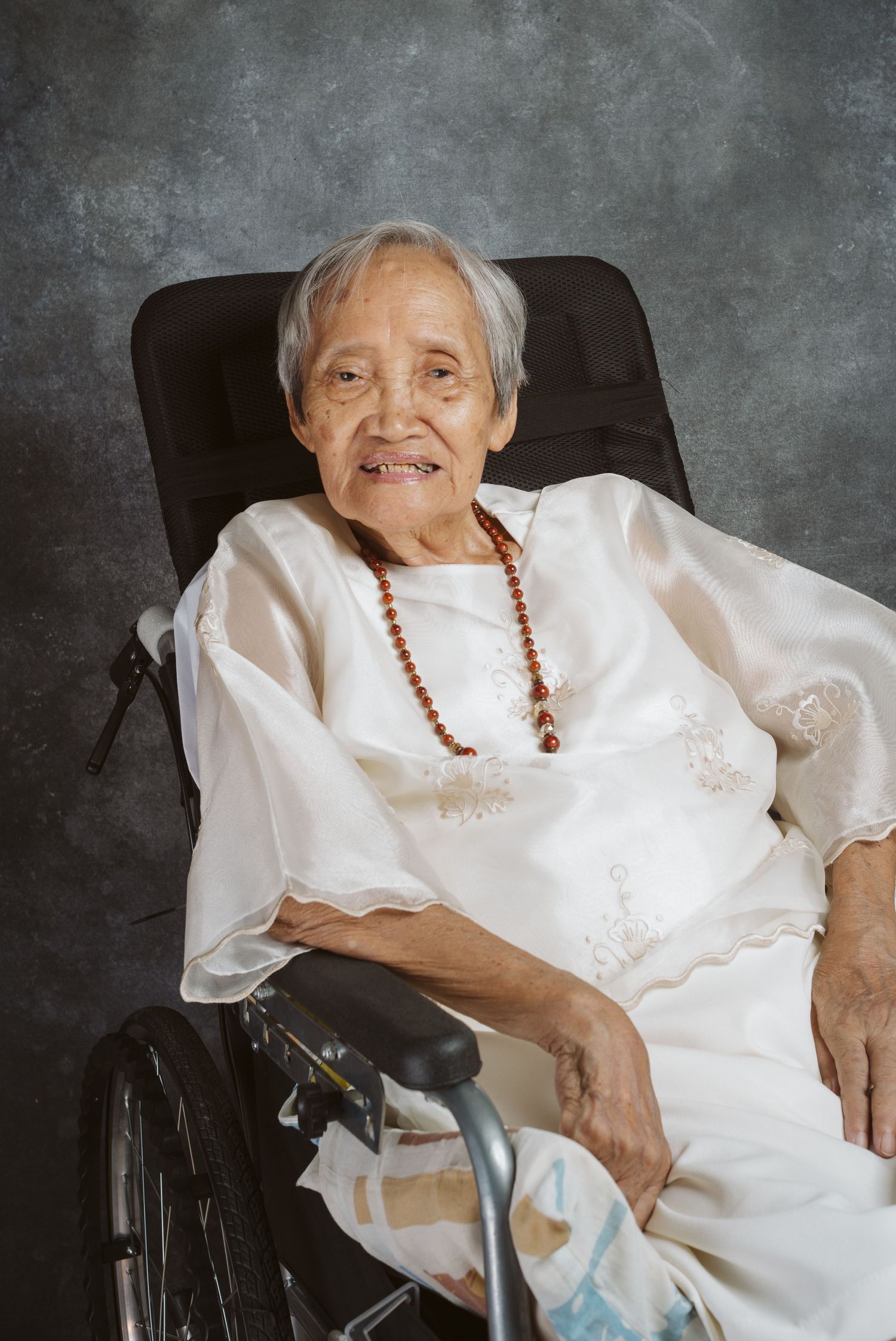
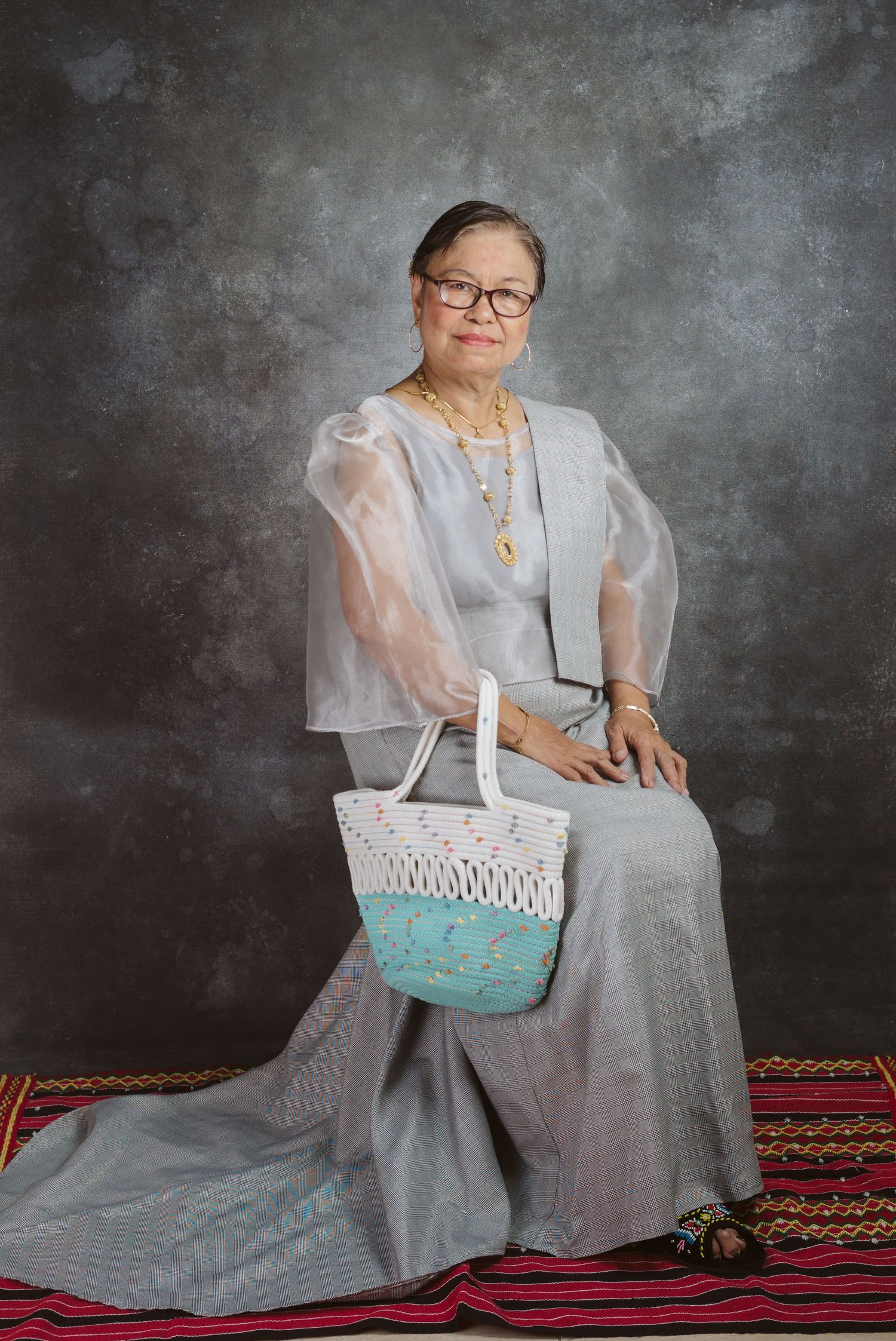
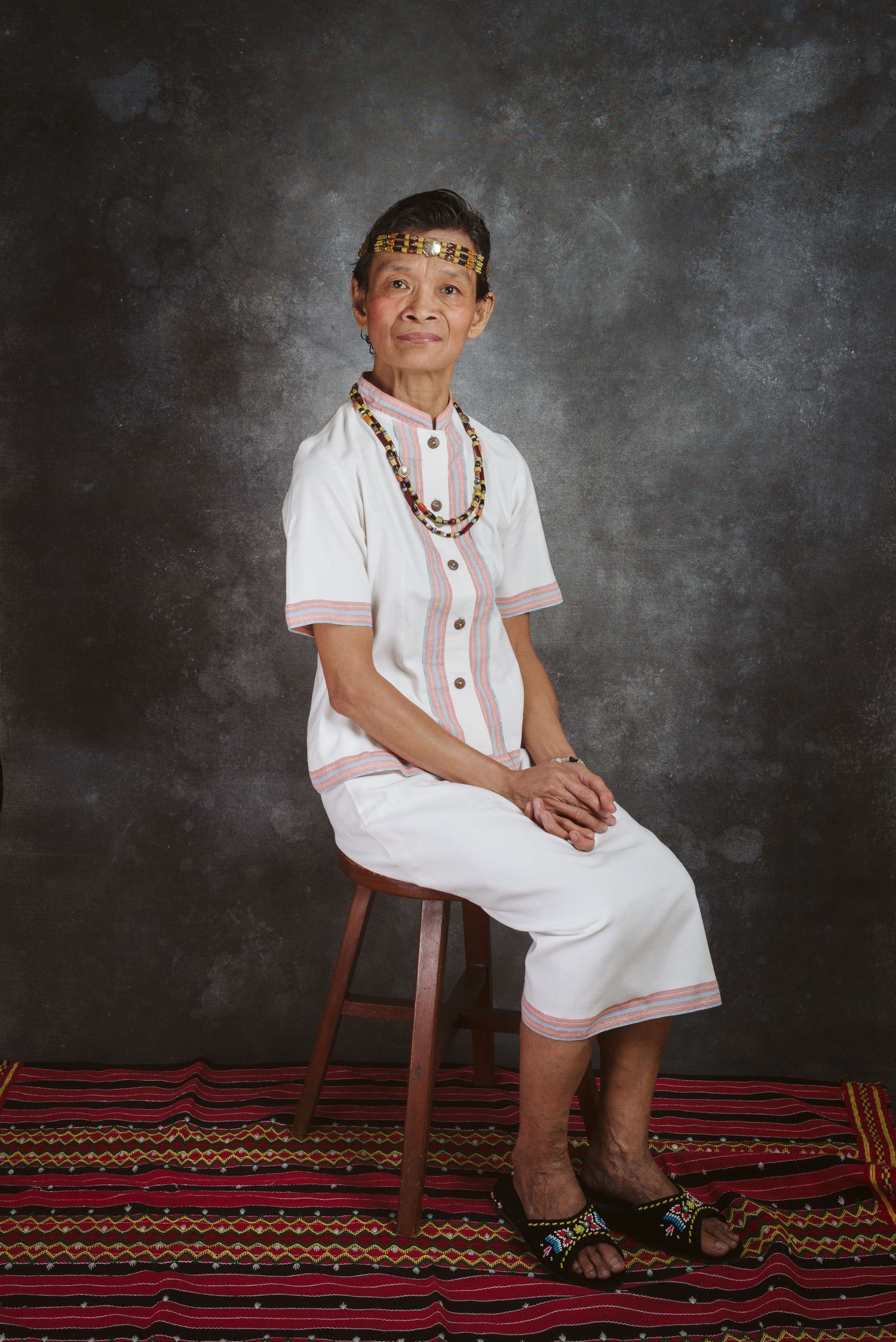
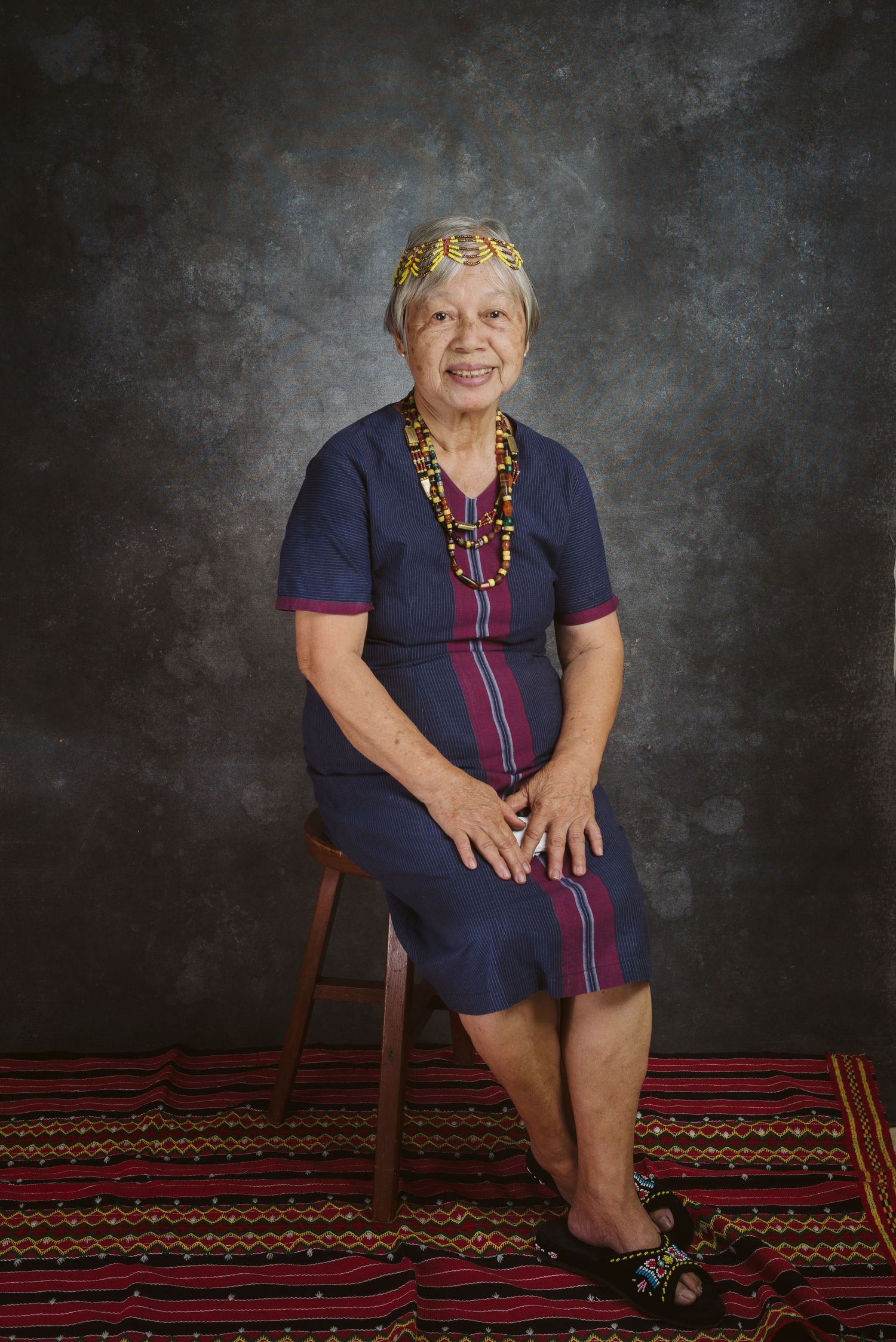
Photographs above: Portrait of my Auntie Pura Sumangil with the Auxiliaries of the Apostolate, taken in Bangued, Abra, Philippines, October 2023.
I left Eddie Adams with a much clearer direction. Banda Aceh remains part of my long-term plans, but Women of Abra deserves my immediate attention. I want to find the women who lived at the dormitory, photograph them, listen to their experiences, and understand how Auntie Pura's work influenced their lives and the generations that followed. Eventually, I hope to develop the project into a book and exhibition. None of these conversations came with promises of assignments, grants, or opportunities, and that wasn't what made them valuable. Kiliii challenged me to explain why I was making the work. Sana helped me identify where to begin. And Kiana reminded me of the courage and commitment that meaningful documentary storytelling can require. I went into those conversations wondering what I could do with the photographs I'd already made. I came home thinking much more seriously about the photographs I hadn't made yet.
The People Who Made It Worthwhile
The Eddie Adams Workshop was incredibly well organized, thanks in large part to the Black Team, a dedicated group of workshop alumni who return each year to volunteer and keep everything running. From logistics to equipment and assignments, their commitment to the students was remarkable. Our Team Turquoise couldn't have been luckier. We had Maye-E Wong, a senior editor at Reuters, former Associated Press photojournalist, and Overseas Press Club award recipient; Eve Edelheit, an award-winning photo editor at The New York Times and former Tampa Bay Times photographer recognized by the NPPA and Pictures of the Year International; Nancy Borowick, an internationally recognized documentary photographer, Sony Artisan, and World Press Photo honoree; and Ale Rajal, an accomplished Mexican documentary photographer whose work has appeared in National Geographic and The Washington Post, and a recipient of the Yunghi Kim Grant. Ale returned as part of the Black Team and served as our dedicated tech. Despite their impressive accomplishments, they treated us like family.
Nancy especially went above and beyond, creating a Team Turquoise identity that brought everyone together. Between the laughter, bonding, and our hilarious team photoshoot, she made the experience even more memorable. Those moments meant just as much as the photography itself. If there was one thing I wish we'd had more of, it was time working together through the editorial process. More team building, collaborative editing, and sequencing would have made an already valuable experience even better. Working with Eve was particularly important because she challenged how I evaluate my own photographs. As photographers, we sometimes become emotionally attached to certain frames, but an editor doesn't share that attachment. A photograph either contributes to the story or it doesn't, regardless of how much we personally like it. That's a lesson I'll carry into my future projects.
I was also impressed by the number of awards, grants, editorial assignments, and equipment packages made available to students. One thing I would have appreciated was learning more about the judging criteria and the editorial decisions behind the selected work. Understanding what distinguished certain photographs or stories would have been another valuable learning opportunity for everyone. Congratulations to all the recipients, and I hope those opportunities lead to even more meaningful work. Ultimately, what stayed with me most were the friendships, honest criticism, laughter, and memories. Maye, Eve, Nancy, and Ale gave us more than their professional expertise. They made Team Turquoise feel like a family, and that's what I'll remember most about the workshop.
New York After Eddie Adams
After the workshop, I spent a few more days in New York. It was my first visit, and there was no way I was going home without photographing the city. I walked around Manhattan and Brooklyn, exploring neighborhoods, photographing strangers, and occasionally striking up conversations with people I'd never met. On one particularly long day, I walked around 25,000 steps. My feet were definitely feeling it, but I was having too much fun to care. I visited Central Park, the Brooklyn Bridge, DUMBO, and the Meatpacking District, but I was more interested in the everyday activity around those places than the landmarks themselves. I even found myself photographing a heated argument near Madison Square involving a man, an NYPD officer, and a street food vendor. The man eventually swung at me, and my Leica M4 struck a railing. Thankfully, I wasn't seriously hurt, although my lens hood took a nasty hit. Not exactly the souvenir I wanted from New York. LOL.
Those extra days also gave me time to think about my career. At 50, I have a stable federal government job, a decent income, and retirement to consider. Walking away from that security isn't something I can take lightly. But Eddie Adams reminded me how much I enjoy being around creative people who challenge one another and genuinely care about storytelling. For years, much of my professional photography has involved fulfilling the needs of an organization. There's value in that work, and I'm grateful for the opportunities it's given me. But personal documentary projects ask something different of me. They require choosing the subject, doing the research, earning trust, and remaining committed even when nobody is assigning the story. I don't know exactly what my next chapter will look like. I'm not about to pretend that a four-day workshop solved every question about my career, but it certainly made me reconsider how I want to spend the years ahead.
Still a Student at 50
I've had photographs recognized as Leica Master Shots by Leica Fotografie International and received numerous photography and multimedia awards at the U.S. Air Force level. I've also had opportunities to photograph people and events under circumstances many photographers may never experience. I'm grateful for all of that, but none of those accomplishments means I've figured everything out. My assignment with Brett taught me that making strong individual photographs isn't necessarily the same as telling a complete story. Working with Eve reminded me how important editing is, and how easily we become attached to photographs that may not serve the narrative. The portfolio reviews reinforced that my work has potential, but potential needs direction. And my conversations with Kiliii, Sana, and Kiana made me reconsider not just which stories I wanted to pursue, but why I was the person who should be telling them.
I arrived at Eddie Adams with a plan, thinking I needed to learn how to execute it. Instead, I returned home questioning the plan itself. That meant reconsidering my approach, asking better questions, and being willing to let go of habits I'd developed over the years. It was humbling, especially after spending so much of my life behind a camera, but that's exactly what I needed. To Maye-E Wong, Eve Edelheit, Nancy Borowick, Ale Rajal, my fellow Team Turquoise members, the Black Team, the portfolio reviewers, and everyone who made Eddie Adams Workshop XXXIX possible, thank you. And a special thanks to Nick Pilch for spending nearly two years encouraging me to apply. I guess you were right to keep bugging me. LOL.
The workshop didn't hand me an assignment, a grant, or a new career. What it gave me was something I needed more: a better understanding of where I want to take my work, what I need to improve, and why those stories matter to me. I've spent decades learning how to make photographs. Now I want to become better at knowing which photographs a story actually needs. At 50, I still make mistakes. I still ask questions. I still have plenty to learn. And after all these years, I'm perfectly fine being a student again.
